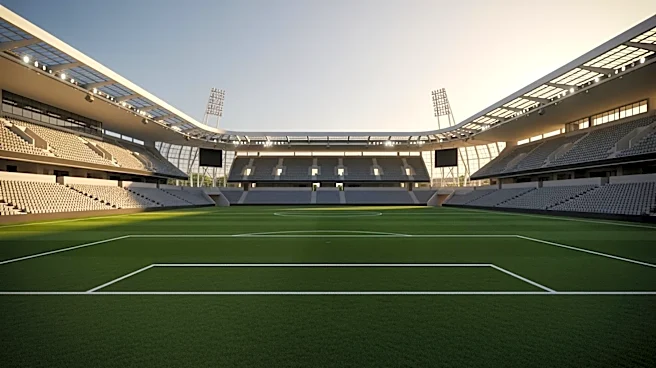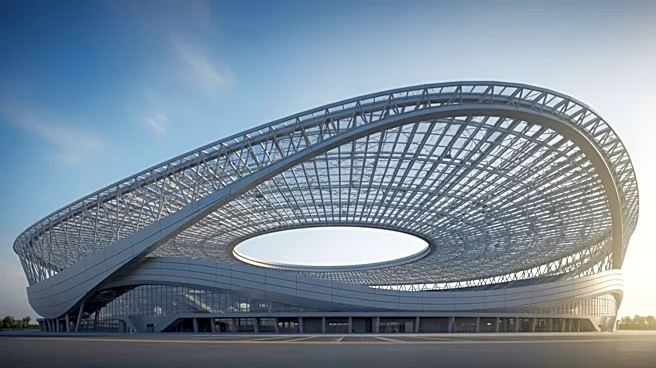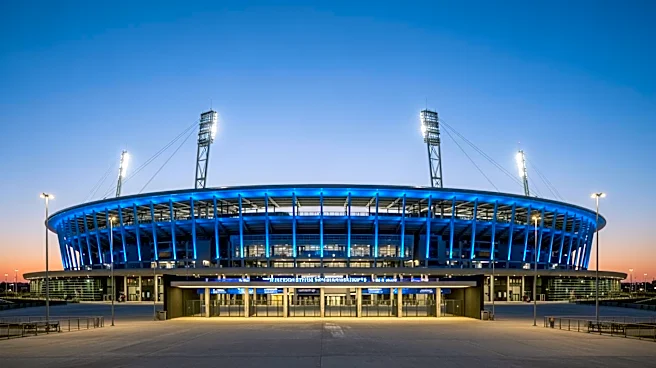

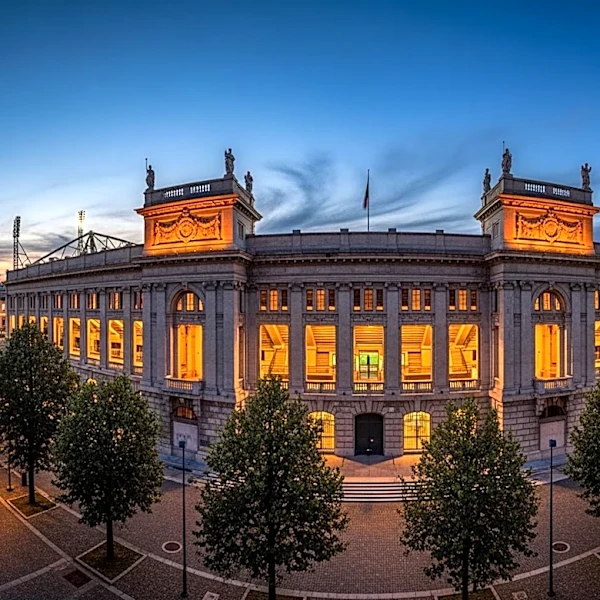





The Nelson Mandela Bay Stadium in Gqeberha, South Africa, stands as a testament to modern architectural innovation. Built for the 2010 FIFA World Cup, this stadium is not only a venue for sports but also a striking piece of architecture. Its design, inspired by natural elements, makes it a landmark in the region.
A Distinctive Design
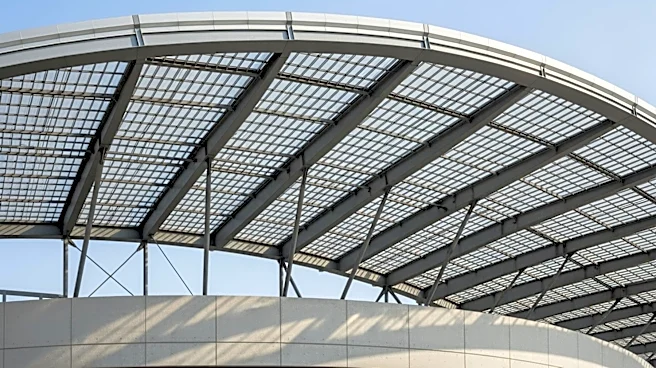
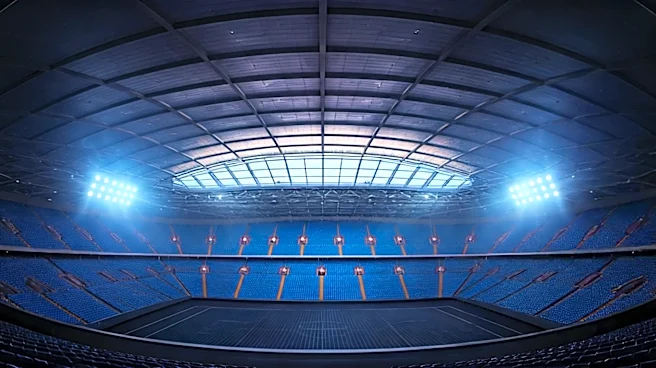
The stadium's most notable feature is its petal-shaped roof, which resembles a large white flower. This design choice is not merely aesthetic;
it serves a functional purpose as well. The roof is supported by a steel structure, providing both stability and an open, airy feel to the stadium. This design allows for natural light to flood the interior, enhancing the experience for spectators.
The architectural firm behind this masterpiece is the German company gmp Architekten. Their vision was to create a stadium that would not only serve as a sports venue but also as a symbol of the city’s modernity and growth. The choice of materials and the overall design reflect a commitment to both form and function, making the stadium a standout structure in the cityscape.
Location and Setting
Situated on the shores of the North End Lake, the stadium offers more than just a place to watch sports. Its location provides stunning views of the surrounding area, making it a picturesque setting for events. The proximity to the lake adds a serene backdrop to the bustling activity within the stadium.
The stadium's placement in Prince Alfred Park integrates it into the urban fabric of Gqeberha, making it accessible to both locals and visitors. This strategic location not only enhances the stadium's appeal but also boosts the local economy by attracting tourists and sports fans alike.
Multifunctional Use
While the stadium was initially built for the 2010 FIFA World Cup, it has since become a versatile venue. It regularly hosts soccer matches, with Chippa United calling it home. Additionally, it serves as a venue for rugby, with teams like the Eastern Province Kings and the Southern Kings playing there.
Beyond sports, the stadium has facilities that cater to various events. It includes VIP suites, business suites, and spaces for conferences and other gatherings. This multifunctionality ensures that the stadium remains a vibrant part of the community, hosting a range of events that draw diverse crowds.
In conclusion, the Nelson Mandela Bay Stadium is more than just a sports venue. Its architectural design, strategic location, and multifunctional capabilities make it a significant landmark in Gqeberha. As a symbol of modernity and innovation, it continues to play a vital role in the cultural and economic life of the city.