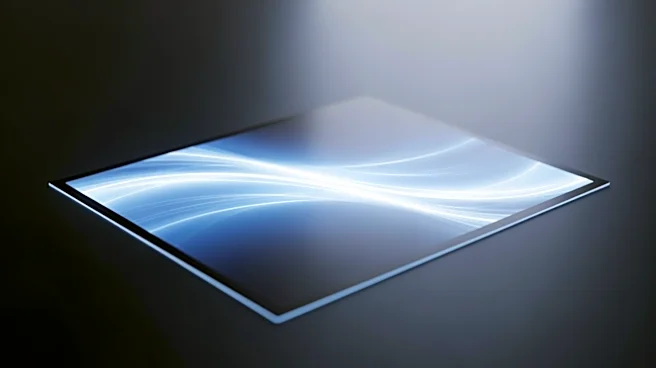

Electronic paper, or e-paper, has become a cornerstone in the development of modern digital devices, offering a unique blend of readability, low power consumption, and flexibility. This technology, which
mimics the appearance of traditional ink on paper, has been integrated into a variety of applications, from e-readers to digital signage, transforming the way we interact with digital content.
E-Readers and Digital Publications
One of the most prominent applications of electronic paper is in e-readers, such as the Amazon Kindle and Barnes & Noble Nook. These devices utilize electrophoretic displays, which rearrange charged pigment particles to form images. The result is a display that closely resembles printed paper, providing a comfortable reading experience with minimal eye strain. E-readers benefit from the low power consumption of e-paper, as power is only required when changing the display, allowing for extended battery life.
In addition to e-readers, electronic paper is used in digital publications, offering a sustainable alternative to traditional print media. Newspapers and magazines can be distributed electronically, reducing paper waste and providing readers with up-to-date content.
Wearable Technology and Mobile Devices
Electronic paper has also made its way into wearable technology, such as smartwatches. Devices like the Pebble smartwatch use e-paper displays to provide clear, easy-to-read information while conserving battery life. The low power requirements and flexibility of e-paper make it ideal for wearable devices that need to be lightweight and durable.
In the realm of mobile devices, electronic paper is used in phones like the YotaPhone, which features a dual-display design with an e-paper screen on the back. This allows users to access information without draining the battery, making it a practical choice for those who need a device that can last throughout the day.
Digital Signage and Beyond
Beyond personal devices, electronic paper is utilized in digital signage and electronic shelf labels. Retailers use e-paper displays to update prices and product information wirelessly, reducing the need for paper labels and manual updates. This not only saves time and resources but also allows for dynamic pricing strategies.
The future of electronic paper is promising, with ongoing research into new materials and applications. As the technology continues to advance, we can expect to see even more innovative uses, from flexible displays in laptops and tablets to energy-efficient public information boards. Electronic paper's versatility and sustainability make it a valuable asset in the digital age, offering solutions that bridge the gap between traditional and digital media.