






Louisiana is a state of remarkable geographical diversity and rich biodiversity. Its unique location at the confluence of the Mississippi River and the Gulf of Mexico has shaped its landscapes and ecosystems, making it a haven for a wide variety of plant and animal species. This article explores the geography and biodiversity that define Louisiana.
Geographic Features
Louisiana's geography is characterized by its low-lying coastal plains, extensive wetlands, and numerous
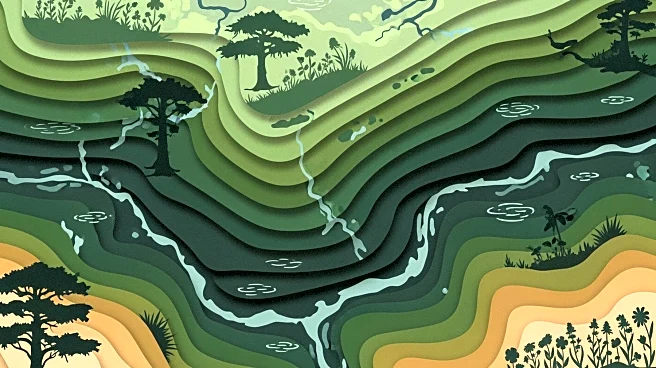
rivers and bayous. The state is bordered by Texas to the west, Arkansas to the north, Mississippi to the east, and the Gulf of Mexico to the south. The Mississippi River, one of the longest rivers in the world, flows through the state, creating a fertile delta that supports agriculture and wildlife.
The state's coastal marshes and swamps are among its most distinctive features. These wetlands provide critical habitat for a variety of species and serve as natural buffers against storm surges and flooding. The Atchafalaya Basin, the largest swamp in the United States, is a prime example of Louisiana's unique wetland ecosystems. It is home to a diverse array of wildlife, including alligators, turtles, and numerous bird species.
Rich Biodiversity
Louisiana's diverse ecosystems support a rich array of plant and animal life. The state's forests, which cover over half of its land area, are home to a variety of tree species, including longleaf pine, cypress, and oak. These forests provide habitat for numerous wildlife species, such as deer, black bears, and bobcats.
The state's wetlands and waterways are teeming with life. Louisiana is known for its abundant bird populations, including species like ibises, egrets, and herons. The American green tree frog, recognized as the state amphibian, is commonly found in the state's swamps and marshes. Louisiana's waters are also home to a variety of fish species, including sturgeon and paddlefish.
Conservation Efforts
Given its ecological significance, Louisiana has made efforts to conserve its natural resources and protect its biodiversity. The state operates a system of wildlife management areas and state parks that provide habitat for wildlife and opportunities for outdoor recreation. These protected areas help preserve Louisiana's unique ecosystems and the species that depend on them.
In recent years, Louisiana has faced challenges related to coastal erosion and habitat loss. The state has implemented initiatives to restore its coastlines and wetlands, recognizing the importance of these ecosystems for both wildlife and human communities. Through conservation efforts and sustainable management practices, Louisiana aims to safeguard its natural heritage for future generations.