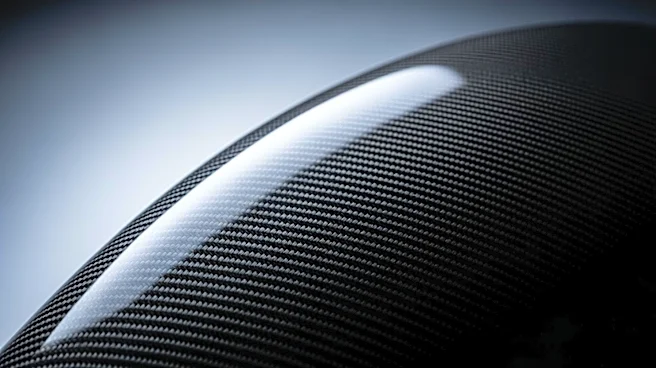







Carbon fiber is a revolutionary material that has transformed modern engineering. Known for its high strength-to-weight ratio, chemical resistance, and low thermal expansion, carbon fiber is used in a wide range of applications, from aerospace to sports equipment. This article delves into the various ways carbon fiber is utilized in contemporary engineering and the innovations it has spurred.
Aerospace and Automotive Applications
In the aerospace industry, carbon fiber is indispensable.
Its lightweight yet strong properties make it ideal for aircraft and spacecraft components. Carbon fiber-reinforced materials are used to manufacture parts such as wing spars, fuselage components, and even entire aircraft structures. The Airbus A350, for example, is composed of over 50% carbon fiber-reinforced polymer, highlighting the material's significance in reducing weight and improving fuel efficiency.
The automotive industry also benefits from carbon fiber's unique properties. High-performance vehicles, particularly in racing, utilize carbon fiber for its strength and lightweight characteristics. Carbon fiber monocoque chassis, first introduced in Formula One by McLaren in 1981, provide enhanced rigidity and safety. Supercars and luxury vehicles often incorporate carbon fiber in their design to improve performance and aesthetics.
Sports Equipment and Consumer Goods
Carbon fiber's impact extends beyond aerospace and automotive applications. In sports, carbon fiber is used to manufacture equipment that requires both strength and lightness. Golf club shafts, tennis rackets, and bicycle frames are just a few examples of sports equipment that benefit from carbon fiber's properties. The material allows athletes to perform at their best by reducing the weight of their gear without compromising strength.
In the realm of consumer goods, carbon fiber is increasingly popular. Its sleek appearance and durability make it a favored choice for products like laptop cases, camera tripods, and even musical instruments. The material's versatility and aesthetic appeal have made it a staple in the design of high-end consumer products.
Innovations and Future Prospects
The versatility of carbon fiber continues to drive innovation. Researchers are exploring new ways to enhance its properties and expand its applications. For instance, carbon fiber is being used in the development of flexible heating elements and as an additive in asphalt to create electrically conductive surfaces.
As technology advances, the potential for carbon fiber in engineering grows. Its ability to combine strength, lightness, and durability makes it a material of choice for future innovations. From improving existing applications to pioneering new ones, carbon fiber remains at the forefront of engineering advancements, promising a future of continued innovation and application.