





Dyeing is a complex process that involves the application of color to textiles through chemical reactions. The chemistry of dyeing has evolved over time, from the use of natural dyes to the development of synthetic alternatives. This article delves into the chemical processes that underpin dyeing, highlighting the transition from natural to synthetic dyes.
Natural Dye Chemistry
Natural dyes are derived from plant, animal, and mineral sources. The chemistry of natural dyes involves
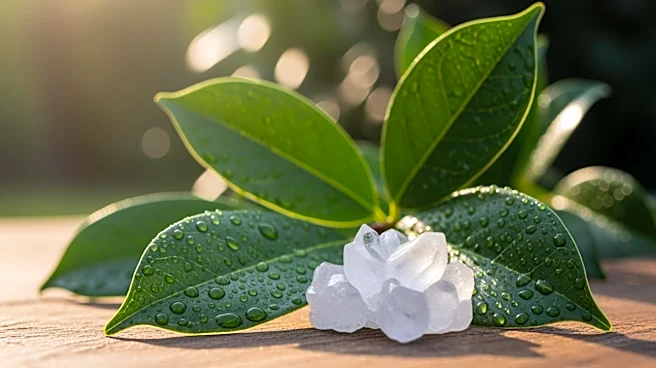
the extraction of color compounds from these sources and their application to textiles. Many natural dyes require the use of mordants, which are substances that help fix the dye to the fiber. Mordants, such as alum and iron, form a chemical bond with both the dye and the fiber, enhancing color fastness.
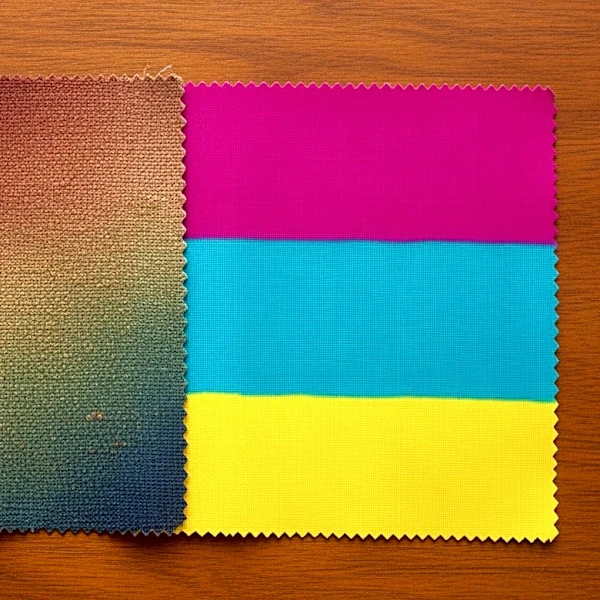
The process of dyeing with natural dyes typically involves soaking the dye material in water to extract the color compounds. The textile is then added to the dye bath and heated to allow the dye to penetrate the fibers. The use of different mordants can alter the final color, allowing dyers to achieve a range of hues from a single dye source.
The Advent of Synthetic Dyes
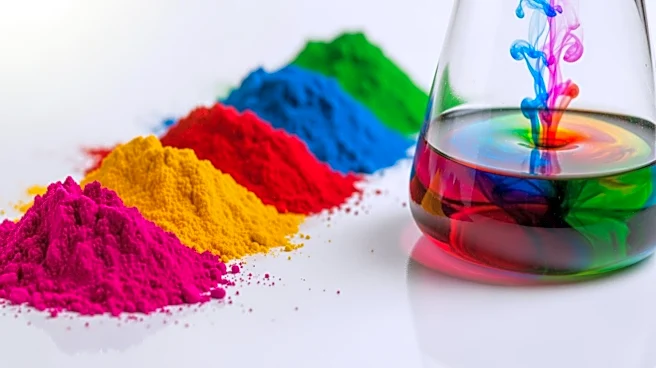
The discovery of synthetic dyes in the mid-19th century marked a significant advancement in dye chemistry. Synthetic dyes are produced through chemical synthesis, often involving complex reactions between aromatic compounds. The first synthetic dye, mauveine, was discovered by William Henry Perkin in 1856. This dye was synthesized from coal tar, a byproduct of the coal industry.
Synthetic dyes offer several advantages over natural dyes, including a wider range of colors and improved color fastness. The chemical structure of synthetic dyes allows for greater control over the dyeing process, resulting in more consistent and vibrant colors. Additionally, synthetic dyes do not require mordants, simplifying the dyeing process.
Modern Dyeing Techniques
Today, the dyeing industry continues to innovate with new chemical processes and technologies. Reactive dyes, for example, form covalent bonds with the fiber, resulting in high color fastness. These dyes are particularly effective for dyeing cellulose fibers, such as cotton.
Advancements in dye chemistry have also led to the development of eco-friendly dyeing methods. Waterless dyeing techniques, for instance, use carbon dioxide as a solvent, reducing water consumption and environmental impact. The industry is also exploring the use of biodegradable dyes and sustainable dyeing practices to minimize the ecological footprint of textile production.
The chemistry of dyeing is a dynamic field that continues to evolve with scientific advancements. From natural dyes to synthetic innovations, the chemical processes involved in dyeing play a crucial role in the vibrant colors we see in textiles today.