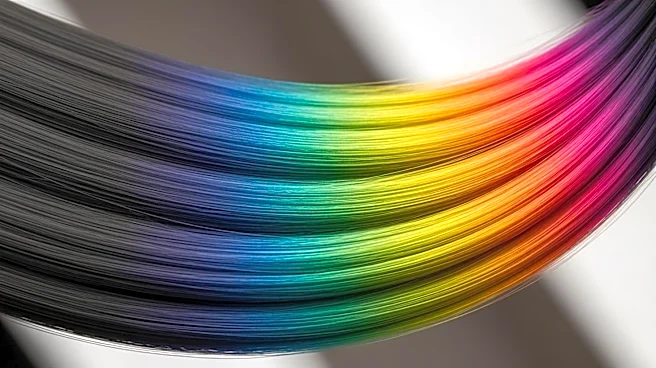


Dip dye has emerged as one of the most popular hair trends of the decade, capturing the attention of celebrities and social media alike. This vibrant style involves coloring the ends of the hair, often with bright, neon shades, creating a striking contrast with the natural hair color. As a result, dip dye has become a favorite among those looking to make a bold statement with their hair.
The Appeal of Dip Dye
Dip dyeing offers a unique way to express individuality through
hair color. Unlike traditional hair dyeing methods that involve full coverage, dip dye focuses on the ends, allowing for a playful and experimental approach. The technique is inspired by tie-dyeing clothing, which is known for its colorful and creative patterns. This connection to fashion and self-expression has contributed to its widespread appeal.
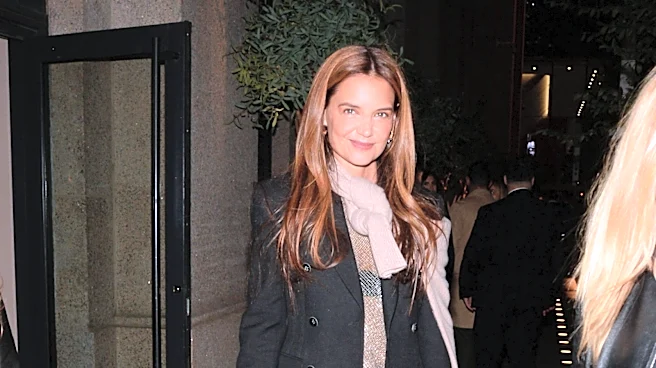
Celebrities have played a significant role in popularizing dip dye. Stars like Lea Michele and Vanessa Hudgens have been seen sporting this eye-catching style, further fueling its popularity. The influence of social media has also been pivotal, with platforms like Instagram showcasing countless variations and inspiring users to try the trend themselves.
Comparing Dip Dye to Other Styles
Dip dye is often compared to ombre and balayage, two other popular hair coloring techniques. While ombre involves a gradual transition from dark to light, dip dye typically features a more abrupt change, often with brighter colors. Balayage, on the other hand, is known for its natural-looking highlights that mimic the effect of sun-kissed hair.
Despite these differences, all three styles share a common goal: to add dimension and interest to hair without the use of foils or traditional dyeing processes. This approach results in a more natural appearance, which is favored by many who wish to avoid the harsh lines and uniformity of conventional highlights.
The Cultural Impact of Dip Dye
The rise of dip dye reflects broader cultural trends towards individuality and self-expression. As people seek new ways to stand out, hair becomes a canvas for creativity. The vibrant colors and bold contrasts of dip dye align with the current fashion landscape, where personal style is celebrated.
Moreover, dip dye's popularity highlights the influence of social media in shaping beauty trends. As users share their hair transformations online, they contribute to a global conversation about style and identity. This exchange of ideas fosters a sense of community and encourages experimentation, making dip dye not just a trend, but a cultural phenomenon.