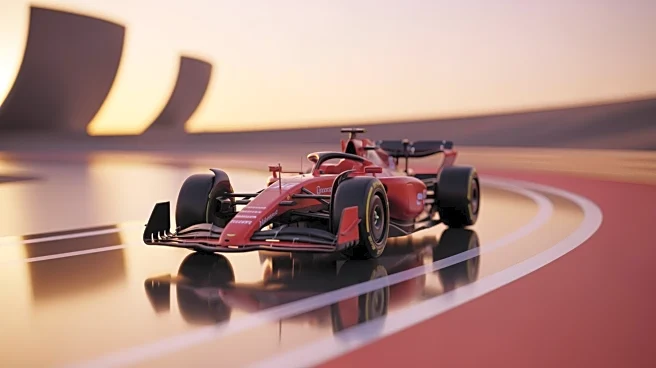

The 2026 FIA Formula One World Championship marks a significant turning point in the world of motorsport. As the 77th running of the championship, it introduces a host of changes that promise to reshape
the landscape of Formula One racing. With new teams, revised regulations, and innovative technologies, the 2026 season is set to be a thrilling chapter in the history of the sport.
Major Regulation Changes
One of the most notable aspects of the 2026 season is the introduction of major regulation changes. These include a revised power unit configuration and the implementation of new active aerodynamics. The power units will continue to produce over 1,000 bhp, but the sources of this power will change. The MGU-H will be removed, and the MGU-K output will increase significantly. Additionally, the power units will use a fully sustainable fuel, aligning with Formula One's commitment to environmental sustainability.
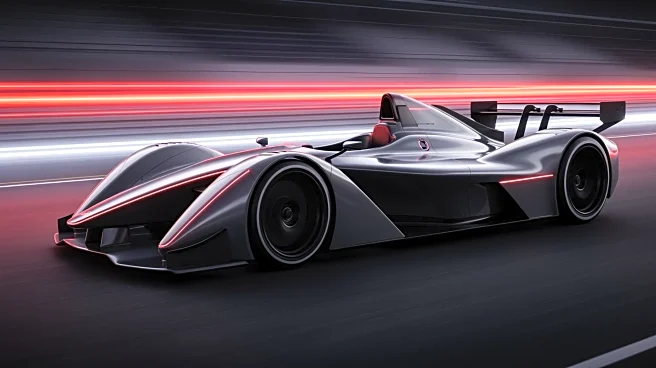
The aerodynamic changes are equally significant. The new regulations introduce active aerodynamics, replacing the traditional drag reduction system with a new overtake mode. This change aims to enhance overtaking opportunities and improve the overall racing spectacle. The cars will also see a reduction in size and weight, with adjustments to the wheelbase, width, and tire dimensions.
New Teams and Partnerships
The 2026 season will also see the entry of new teams and the return of familiar names. Audi, having acquired Sauber, will enter as a works team with its own power unit. Cadillac will make its debut, marking the first time an eleventh team has competed since 2016. They will initially use Ferrari power units before transitioning to a power unit developed in-house by General Motors.
Ford will return to the sport, partnering with Red Bull Powertrains to supply power units to Red Bull Racing and Racing Bulls. Meanwhile, Honda will enter into an exclusive works team agreement with Aston Martin, supplying them with their own power unit. These changes reflect a dynamic shift in the competitive landscape of Formula One.
Financial and Safety Regulations
Financial regulations have also been updated for the 2026 season. The cost cap for team operational expenditures has been increased to $215 million, accounting for inflation and previously exempted costs. A separate cost cap for power unit manufacturers has also been raised to support the development of new hybrid engines.
Safety remains a priority, with updates to the front impact structure and side intrusion protection. The roll hoop's strength will be improved, and lateral safety lights will be mandated to indicate the energy recovery system status. These measures aim to enhance driver safety and ensure the sport remains at the forefront of technological innovation.
The 2026 Formula One World Championship promises to be a season of transformation, with new technologies, teams, and regulations setting the stage for an exciting future in motorsport.