


Mesa Verde National Park, located in the southwestern corner of Colorado, is a geographical marvel that offers a glimpse into the lives of the Ancestral Puebloan people. Covering 52,485 acres, the park is characterized by its rugged terrain, which includes ridges, valleys, and the famous cliff dwellings. This article explores the unique geographical features of Mesa Verde and how they contributed to the development of the ancient Puebloan culture.
The Terrain of Mesa Verde
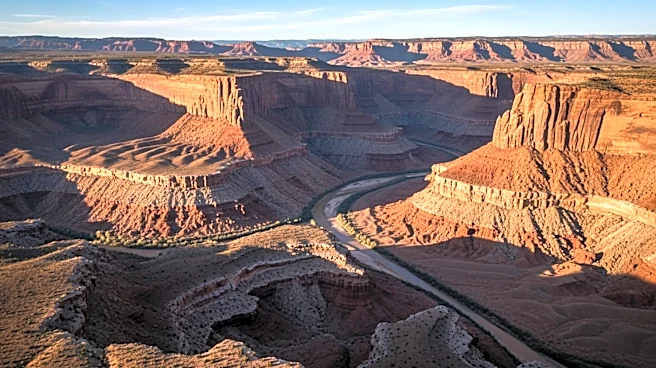
The park's terrain is dominated by ridges and valleys that run roughly north and south. Elevations in the park range from about 6,100 to 8,400 feet, creating a diverse landscape that supported a variety of plant and animal life. This elevation range also provided the Ancestral Puebloans with a strategic advantage, as the higher elevations offered protection and a vantage point over the surrounding areas.
The northernmost point of the park is 13.2 miles farther north than the southernmost point, highlighting the park's expansive reach. The rugged canyons and sandstone cliffs that cut through the park are not only visually stunning but also served as natural fortifications for the cliff dwellings. These geographical features played a crucial role in the settlement patterns of the Ancestral Puebloans, who utilized the natural landscape to their advantage.
The Cliff Dwellings
One of the most striking geographical features of Mesa Verde is its cliff dwellings, which are structures built within caves and under outcroppings in the cliffs. The most famous of these is the Cliff Palace, thought to be the largest cliff dwelling in North America. The cliff dwellings are a testament to the ingenuity of the Ancestral Puebloans, who adapted their architecture to the natural environment.
Approximately 600 of the over 4,700 archaeological sites in Mesa Verde National Park are cliff dwellings. These structures were strategically located to take advantage of the natural protection offered by the cliffs, while also providing access to resources such as water and arable land. The cliff dwellings are a unique feature of Mesa Verde's geography, showcasing the harmonious relationship between the Puebloans and their environment.
The Role of Geography in Cultural Development
The geography of Mesa Verde played a significant role in the cultural development of the Ancestral Puebloans. The diverse landscape provided a variety of resources, from fertile land for agriculture to natural materials for building. The park's location near the Four Corners region also facilitated trade and interaction with other cultures, further enriching the Puebloan way of life.
Today, Mesa Verde National Park continues to be a place of wonder and exploration, attracting visitors from around the world. The park's unique geography not only offers breathtaking views but also serves as a reminder of the ingenuity and resilience of the Ancestral Puebloans. Through the preservation of this remarkable landscape, Mesa Verde remains a vital link to the past, offering insights into the lives of those who once called it home.