





Mincing machines have revolutionized the way we prepare food, offering speed and efficiency that manual methods cannot match. Invented in the 1850s, these machines have become indispensable in both professional and home kitchens. They have transformed the preparation of dishes that require finely minced ingredients, such as hamburgers, meatballs, and various sauces. This article examines the impact of mincing machines on food preparation and their
role in modern kitchens.
The Mechanics of Mincing Machines
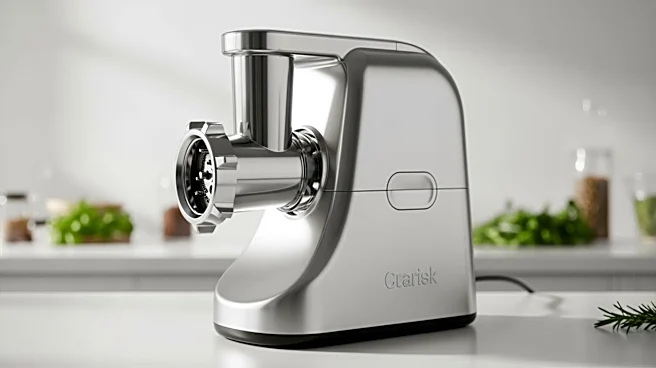
The first mincing machines were hand-cranked devices that allowed cooks to feed meat or other foods into a top aperture. The food was then propelled through grinders and emerged as mince through a die at the outlet. These machines operated by means of cylinders with tapering grooves, as described by Scientific American. The invention of electrically powered mincers further enhanced the efficiency of the mincing process.
Professional mincers offer dies of varying sizes, allowing for different levels of coarseness in the mince. Most domestic models have two dies: one for coarse grinding and another for fine mincing. For food that needs to be particularly finely minced, it may be necessary to put it through the machine twice. The ability to quickly and efficiently mince ingredients has expanded the possibilities for home cooks and professional chefs alike.
Advantages of Mincing Machines
Mincing machines have several advantages over manual methods. They offer speed and consistency, making it easier to prepare large quantities of minced ingredients. This is particularly beneficial in professional kitchens, where time and efficiency are crucial. The machines also allow for precise control over the texture of the mince, which is important for dishes that require a specific consistency.
Despite these advantages, some food writers argue that manual mincing with a mezzaluna produces superior results. Elizabeth David, for example, claims that it preserves the juices and flavors of the meat better than machine mincing. However, the convenience and efficiency of mincing machines make them a staple in kitchens worldwide.
The Role of Mincing Machines in Modern Kitchens
Mincing machines have become an essential tool in modern kitchens, valued for their ability to quickly and efficiently prepare minced ingredients. They are used in a wide range of dishes, from hamburgers and meatballs to sauces and pâtés. The machines have simplified the preparation of these dishes, making it easier for home cooks to experiment with new recipes.
In addition to their practical benefits, mincing machines have also influenced culinary practices. They have expanded the possibilities for food preparation, allowing cooks to explore new textures and flavors. The machines have become a symbol of modern culinary innovation, reflecting broader changes in food preparation methods.
Overall, mincing machines have had a profound impact on the culinary world, transforming the way we prepare and enjoy food. Their role in modern kitchens is a testament to the power of technology to enhance and expand our culinary experiences.