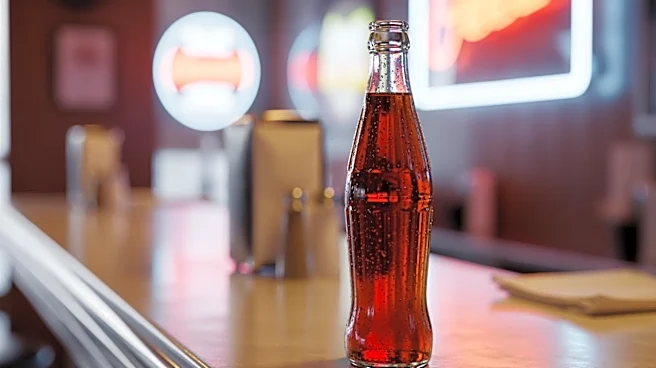




In 1985, Coca-Cola made a bold move by introducing New Coke, a reformulated version of its iconic soft drink. This decision was driven by the need to compete with Pepsi, which had been gaining market share. However, the introduction of New Coke quickly became a cautionary tale in marketing history. Despite initial success, consumer backlash led to the reintroduction of the original formula as Coca-Cola Classic. This article delves into the timeline
of New Coke's rise and fall, highlighting key events and decisions.
Introduction of New Coke
By the early 1980s, Coca-Cola was losing ground to Pepsi and other diet and non-cola beverages. Blind taste tests suggested that consumers preferred the sweeter taste of Pepsi, prompting Coca-Cola to reformulate its recipe. On April 23, 1985, New Coke was launched, marking a significant shift in the company's strategy. The new formula was sweeter and aimed to appeal to younger drinkers who favored Pepsi.
The launch was accompanied by a major marketing push, with free cans distributed in cities like New York and Washington, D.C. Initial sales figures showed promise, with an 8% increase over the previous year. However, the real test lay in the southeastern United States, where Coca-Cola had a stronghold.
Consumer Backlash
Despite initial success, New Coke faced significant backlash from loyal Coca-Cola drinkers. Many consumers felt alienated by the change, viewing it as an intrusion on tradition. The southern U.S., in particular, saw the reformulation as a surrender to Pepsi, a company based in New York. Coca-Cola received over 40,000 calls and letters expressing anger and disappointment.
Critics from outside the region also voiced their discontent, with comedians and talk show hosts mocking the switch. Even Fidel Castro chimed in, calling New Coke a sign of American capitalist decadence. The backlash was so intense that Coca-Cola executives began considering a return to the original formula.
Reintroduction of Coca-Cola Classic
On July 11, 1985, Coca-Cola announced the return of the original formula, now branded as Coca-Cola Classic. The decision was met with widespread approval, and sales of Coca-Cola Classic quickly surpassed those of New Coke and Pepsi. The reintroduction was seen as a victory for consumer power, with many praising Coca-Cola for listening to its customers.
The saga of New Coke serves as a reminder of the risks associated with altering a well-established brand. While the reformulation initially boosted sales, the emotional attachment to the original Coca-Cola proved too strong to ignore. Today, New Coke is remembered as a marketing misstep, but one that ultimately reinforced the brand's identity and loyalty.