
Yoga blocks, also known as yoga bricks, have become an essential tool in the practice of yoga, aiding practitioners in achieving proper alignment and support. Introduced by B.K.S. Iyengar, these props
have evolved over time and have significantly influenced various styles of yoga. This article delves into the history of yoga blocks, their applications, and their impact on modern yoga practices.
The Introduction of Yoga Blocks
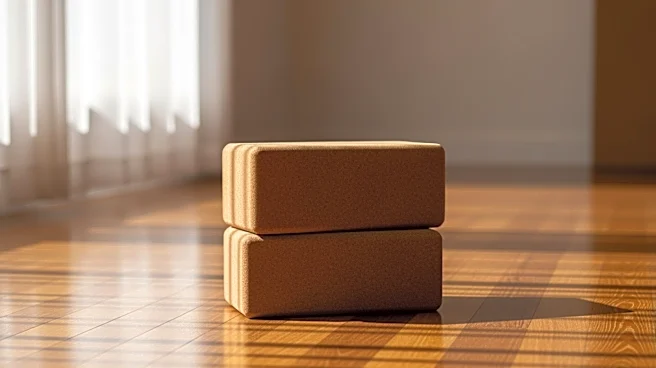
The concept of using props in yoga was pioneered by B.K.S. Iyengar, the founder of Iyengar Yoga. In the 1970s, Iyengar introduced wooden bricks to assist his students in achieving correct alignment in asanas, or yoga poses. These bricks were designed to be similar in size to a house brick, measuring approximately 9 x 4.5 x 3 inches. The use of these props quickly spread beyond Iyengar Yoga to other styles such as Restorative Yoga and Yin Yoga, where they are used to enhance the practice by providing support and stability.
Over time, the materials used for yoga blocks have diversified. While the earliest blocks were made of wood, which offered excellent support and durability, they were often heavy and expensive. This led to the development of blocks made from other materials, such as cork and foam, which are lighter and more affordable. Cork blocks, for instance, are favored for their natural grip and ecological benefits, while foam blocks are popular for their lightweight and cost-effectiveness.
Applications of Yoga Blocks
Yoga blocks are versatile tools that can benefit both beginners and advanced practitioners. For beginners, blocks can provide the necessary support to achieve proper alignment in poses like Trikonasana (Triangle pose) or Paschimottanasana (Seated Forward Bend). By using a block, practitioners can maintain balance and avoid strain, allowing them to focus on the correct form and breathing.
Advanced practitioners also find value in yoga blocks, using them to deepen their practice and explore more challenging poses. For example, blocks can be used under the hands in arm balances or to support the feet in backbends like Urdhva Dhanurasana (Upward Bow pose). In Yin Yoga, blocks help to create a comfortable environment where poses can be held for extended periods, facilitating deeper relaxation and muscle release.
The Broader Impact of Yoga Blocks
The introduction of yoga blocks has had a profound impact on the accessibility and inclusivity of yoga. By providing support and stability, blocks enable individuals with varying levels of flexibility and strength to participate in yoga. This has opened the practice to a wider audience, including those with physical limitations or injuries.
Moreover, the use of props like yoga blocks aligns with the principles of mindfulness and nonviolence (ahimsa) in yoga. By reducing strain and promoting proper alignment, blocks help practitioners avoid injury and cultivate a more mindful approach to their practice. As a result, yoga blocks have become a staple in yoga studios worldwide, reflecting their enduring influence on the practice of yoga.