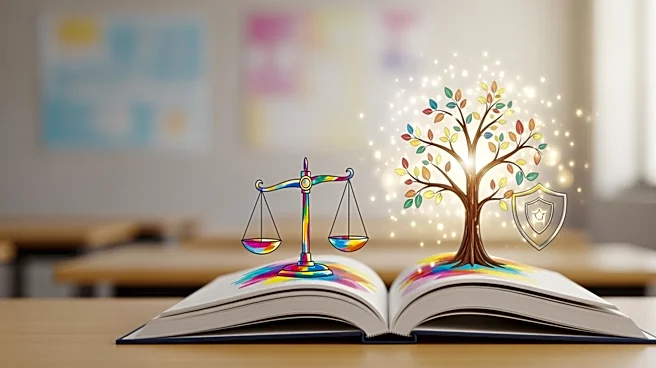







Children's rights education is a crucial aspect of modern schooling, aiming to teach students about their rights as outlined in the United Nations Convention on the Rights of the Child. This educational approach not only informs children of their rights but also integrates these principles into the school environment, fostering a culture of respect and empowerment. By embedding children's rights into the curriculum and school policies, educators hope
to create a more inclusive and supportive learning atmosphere.
Implementing Children's Rights Education
Children's rights education involves more than just teaching students about their rights in a classroom setting. It requires a comprehensive approach that incorporates these rights into the school's mission statement, behavior codes, and policies. This means that children's rights become a central theme across all subjects and grade levels, ensuring that students understand and appreciate their rights in various contexts. Schools that fully implement this approach often see it reflected in their teaching practices and materials, creating a consistent message about the importance of respecting and upholding children's rights.
The United Nations Convention on the Rights of the Child mandates that children be educated about their rights, as stated in Articles 29 and 42. This legal obligation has led to the development of children's rights education programs in countries like Belgium, Canada, England, and New Zealand. These programs have shown that teaching children about their rights can lead to increased awareness and respect for the rights of others, as well as empowering students to take action in support of these rights.
Benefits of Children's Rights Education
Educating children about their rights has numerous benefits, both for the students themselves and the broader school community. When children learn about their rights, they gain a deeper understanding of human rights in general, which can lead to more respectful and socially responsible behavior. This education also empowers students to stand up for their rights and the rights of others, fostering a sense of agency and responsibility.
Research has shown that schools with comprehensive children's rights education programs often experience a more positive school climate. Students in these schools tend to be more engaged and motivated, with improved behavior and academic outcomes. Teachers also report feeling more fulfilled and less emotionally exhausted, as they witness the positive impact of rights education on their students.
Challenges and Future Directions
Despite the clear benefits of children's rights education, there are still challenges to its widespread implementation. Some schools may struggle to integrate these principles into their existing curricula and policies, while others may face resistance from educators or parents who are unfamiliar with the concept. Additionally, there is a need for ongoing evaluation and research to ensure that children's rights education programs are effective and continue to evolve with changing societal needs.
Looking ahead, it is essential for schools and educational authorities to prioritize children's rights education and provide the necessary resources and support for its successful implementation. By doing so, they can help create a generation of informed, empowered, and socially responsible individuals who are committed to upholding the rights of all people.