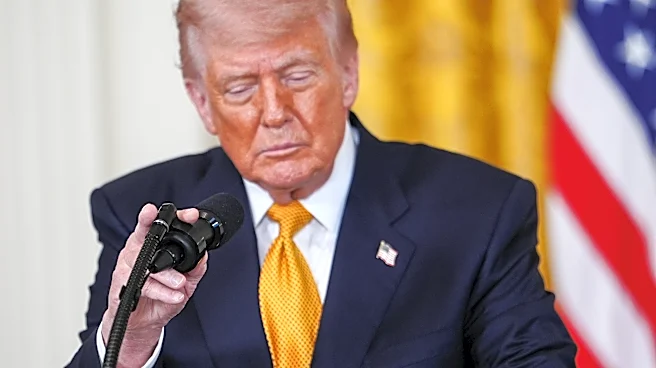






The United States' decision to withdraw from the Iran nuclear deal in May 2018 sent shockwaves through the international community. The move, announced by President Donald Trump, was met with a mix of support, opposition, and concern from various countries and international organizations. This article explores the diverse reactions to the U.S. withdrawal and the implications for global diplomacy.
European Allies' Response
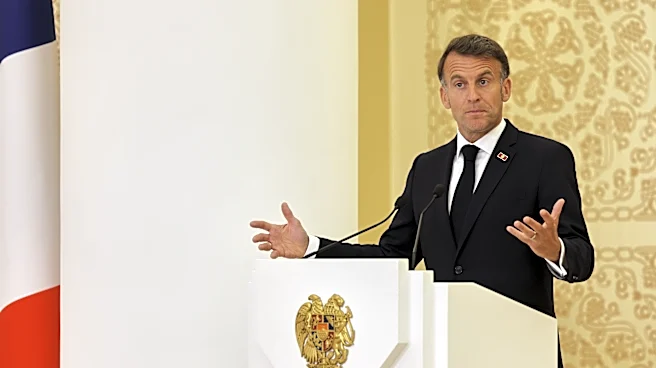
The leaders of France, Germany, and the United Kingdom
were quick to express their regret over the U.S. decision. In a joint statement, they emphasized that the United Nations Security Council resolution endorsing the nuclear deal remained the "binding international legal framework for the resolution of the dispute." These countries, along with the European Union, were committed to preserving the JCPOA and sought to find ways to continue its implementation without U.S. participation.
The European Commission took steps to protect European companies from U.S. sanctions by announcing the intention to implement the blocking statute of 1996. This measure aimed to declare U.S. sanctions against Iran illegal in Europe and ban European citizens and companies from complying with them. Additionally, the European Investment Bank was instructed to facilitate European companies' investment in Iran.
Support from Israel and Saudi Arabia
In contrast, the U.S. decision was welcomed by Israel and Saudi Arabia, who viewed Iran as a significant threat to regional stability. Israeli Prime Minister Benjamin Netanyahu had long been a vocal critic of the JCPOA, arguing that it did not adequately prevent Iran from developing nuclear weapons. Saudi Arabia, a regional rival of Iran, also supported the U.S. withdrawal, aligning with its own concerns about Iran's influence in the Middle East.
These countries saw the re-imposition of U.S. sanctions as a necessary step to curb Iran's nuclear ambitions and limit its regional activities. The support from Israel and Saudi Arabia highlighted the geopolitical complexities surrounding the Iran nuclear deal and the differing perspectives on how best to address Iran's nuclear program.
Broader International Concerns
Beyond Europe and the Middle East, the U.S. withdrawal raised concerns among other countries and international organizations. Many feared that the decision could lead to increased tensions in the region and undermine efforts to prevent nuclear proliferation. The International Atomic Energy Agency (IAEA) had verified Iran's compliance with the JCPOA, and the U.S. withdrawal cast doubt on the future of the agreement.
The decision also sparked debates about the role of diplomacy in addressing nuclear non-proliferation and the challenges of maintaining international agreements in the face of changing political dynamics. As countries navigated the aftermath of the U.S. withdrawal, the global response underscored the complexities of balancing national interests with international cooperation.
The U.S. exit from the Iran nuclear deal was a pivotal moment in international relations, prompting a wide range of reactions and highlighting the challenges of achieving consensus on global security issues.