







Baking sheets, also known as sheet pans or baking trays, are essential tools in any kitchen. These flat, rectangular metal pans are used for baking a variety of foods, from pastries to pizzas. While they may seem simple, baking sheets come in different materials and sizes, each suited for specific culinary tasks. Understanding the versatility of baking sheets can enhance your cooking and baking experiences.
Types of Baking Sheets
Baking sheets are made from various materials,
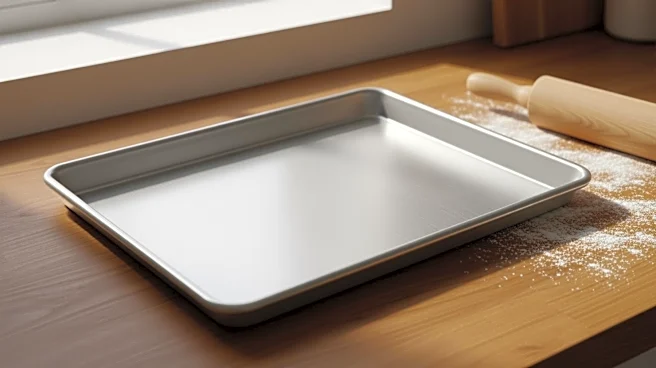
each offering unique benefits. Originally crafted from sheet iron, modern baking sheets are typically made from aluminum or sheet steel. Some are enameled or coated with PFAS to improve their non-stick properties. Aluminum is favored for its excellent heat conductivity, ensuring even baking. Sheet steel, on the other hand, provides durability and strength, making it ideal for commercial use.
In addition to material, baking sheets can have different features. Some have flat edges to facilitate easy food removal, while others have raised edges to contain food or shallow liquids. Handles are often included to assist in moving the pan in and out of the oven. There are also specialized baking sheets, such as air bake pans with insulation layers to prevent burning delicate foods, and perforated pizza trays that speed up cooking.
Standard Sizes and Their Uses
Baking sheets come in standard sizes, particularly in the U.S., where they are categorized as full-size, half-size, and quarter-size. A full-size sheet pan measures 26 inches by 18 inches, which is too large for most home ovens but perfect for commercial kitchens. The half sheet, measuring 18 inches by 13 inches, is the largest size commonly found in supermarkets and fits most home ovens. Quarter sheets, at 9 inches by 13 inches, are ideal for smaller baking tasks or single-layer cakes.
These sizes are not just arbitrary; they are designed to fit standard commercial kitchen equipment like ovens and cooling racks. The uniformity in size allows for efficient use of space and resources in professional settings. For home bakers, understanding these sizes helps in selecting the right pan for the job, whether it's baking cookies or roasting vegetables.
Baking Sheets in Professional Kitchens
In professional kitchens, baking sheets are indispensable. They are used not only for baking but also for organizing and preparing ingredients. Commercial sheet pans are typically made of aluminum with a raised lip around the edge to prevent spills. They are designed to withstand the rigors of a busy kitchen, where they might be used for everything from baking bread to holding resting dough.
The standardization of baking sheet sizes means that other kitchen equipment, like shelving and cooling racks, are designed to accommodate them. This compatibility is crucial in a professional setting, where efficiency and speed are paramount. Understanding the role of baking sheets in both home and professional kitchens highlights their importance in culinary arts.