

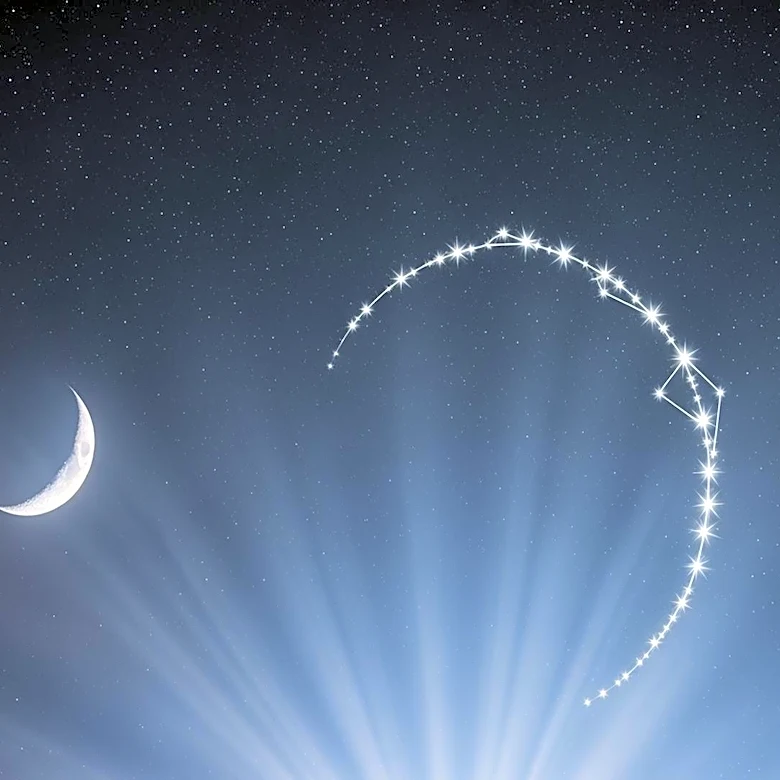
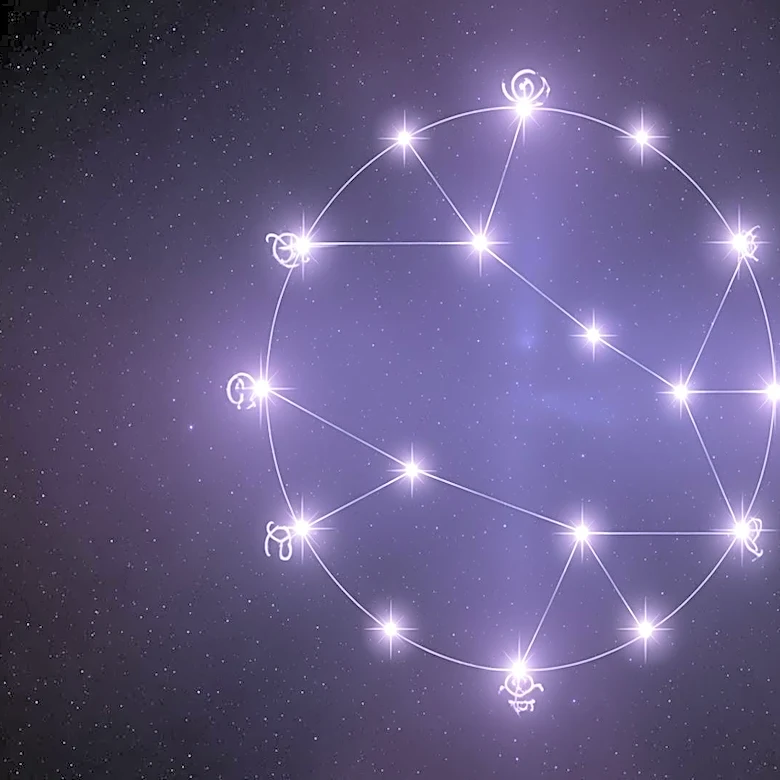





Nakshatras, or lunar mansions, are a fundamental aspect of Hindu astrology. These are 27 (sometimes 28) sectors along the ecliptic, each associated with a prominent star or asterism. The concept of Nakshatras is deeply rooted in ancient Indian astronomy and astrology, playing a crucial role in the traditional Hindu calendar and astrological practices.
The Structure of Nakshatras
In Hindu astrology, the ecliptic is divided into 27 Nakshatras, each covering 13 degrees and 20 minutes
of the celestial sphere. This division is based on the moon's journey through the sky, as it takes approximately 27.3 days to complete one sidereal cycle. Each Nakshatra is further divided into four padas, or steps, which are used to determine finer astrological details.
The starting point for the Nakshatras, according to the Vedas, is Krittika. However, in more recent compilations, the list begins with Ashwini, which is part of the modern constellation of Aries. This shift in starting points reflects changes in astronomical observations over time, particularly during the centuries when the sun passed through Aries at the vernal equinox.
Historical and Mythological Significance
The Nakshatras have a rich historical and mythological background. The first astronomical text to list them is the Vedanga Jyotisha. In classical Hindu scriptures like the Mahabharata and Harivamsa, the creation of the Nakshatras is attributed to Daksha. They are personified as his daughters and the wives of Chandra, the moon god. This mythological narrative explains the moon's waxing and waning phases as a result of a curse placed on Chandra for favoring one wife, Rohini, over the others.
Nakshatras are also considered one of the five elements of the Panchanga, the traditional Hindu calendar, which highlights their importance in timekeeping and astrological calculations.
The Role of Nakshatras in Astrology
In Hindu astrology, Nakshatras are used to determine auspicious timings and to make predictions about an individual's life. Each Nakshatra is associated with specific characteristics and ruling deities, which influence the traits and destinies of individuals born under them. For instance, the Nakshatra Ardra is governed by Rahu and associated with the deity Rudra, imparting intense and transformative qualities.
The Nakshatras also play a role in naming conventions, as each pada is linked to specific sounds that are used to name children born under that segment. This practice reflects the deep integration of Nakshatras into cultural and religious traditions, highlighting their enduring significance in Hindu society.