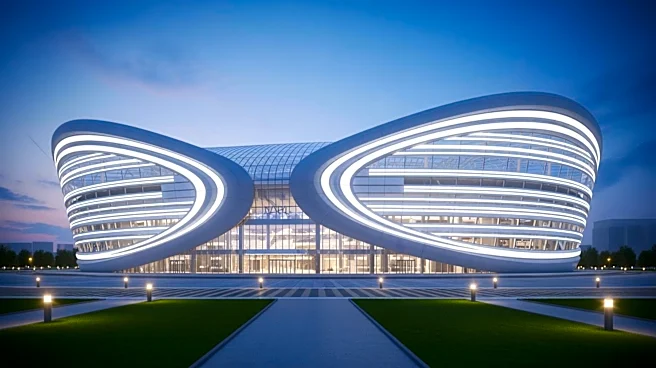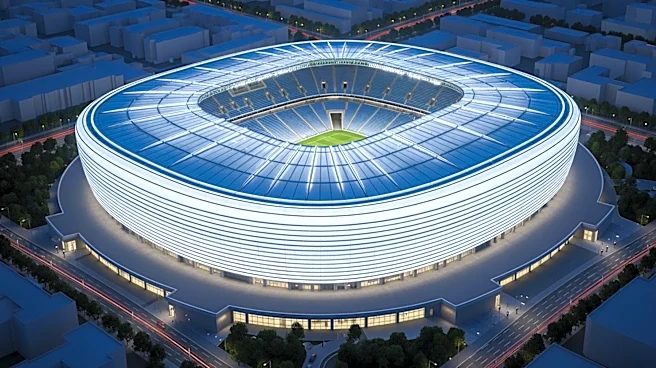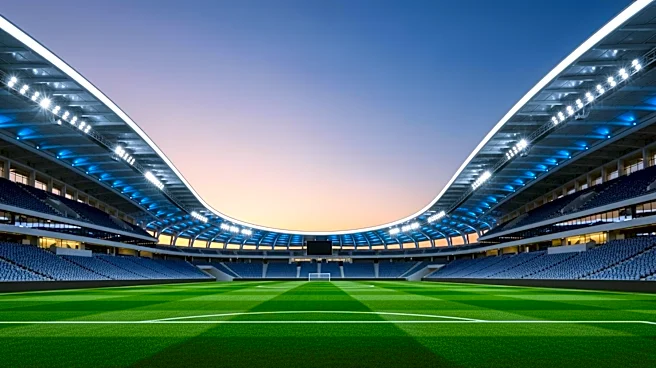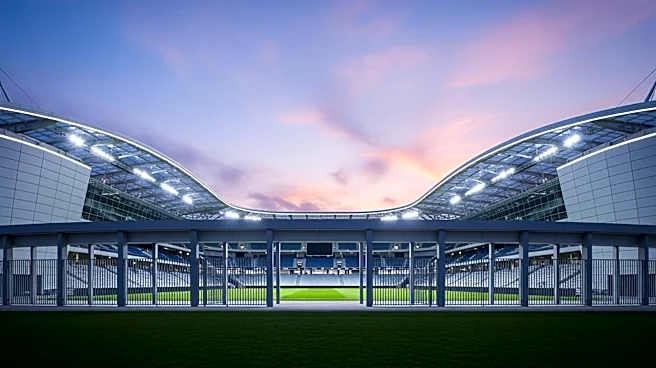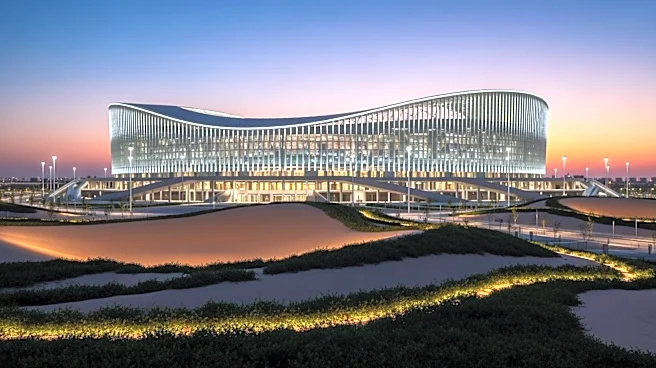

Arena das Dunas in Natal, Brazil, played a pivotal role during the 2014 FIFA World Cup. As one of the host stadiums, it showcased not only thrilling football matches but also the architectural prowess
of modern stadium design. This article explores the stadium's contribution to the World Cup and its lasting legacy in the world of sports.
Hosting the World Cup
The 2014 FIFA World Cup was a landmark event for Brazil, and Arena das Dunas was at the heart of the action. During the tournament, the stadium's capacity was expanded to 42,000 to accommodate the influx of international fans. This temporary expansion was a testament to the stadium's flexible design and its ability to host large-scale events.
Arena das Dunas hosted several key matches during the World Cup, drawing fans from around the globe. The stadium's state-of-the-art facilities and strategic location made it an ideal venue for the tournament. Its proximity to major transportation routes, such as the BR-101 highway, ensured easy access for visitors, enhancing the overall experience for fans and players alike.
Economic and Social Impact
The World Cup brought significant economic benefits to Natal, with Arena das Dunas at the center of this transformation. The influx of tourists and football enthusiasts provided a boost to local businesses, from hotels and restaurants to retail outlets. The stadium's construction was part of a broader urban development plan, which included the creation of commercial spaces and international-standard hotels, further enhancing the city's appeal as a tourist destination.
Socially, the World Cup fostered a sense of pride and unity among the residents of Natal. Arena das Dunas became a symbol of the city's ability to host international events and showcased Brazil's passion for football on a global stage. The stadium's success during the World Cup has paved the way for future events, positioning Natal as a key player in the world of sports tourism.
A Lasting Legacy
The legacy of Arena das Dunas extends beyond the 2014 FIFA World Cup. The stadium continues to host a variety of events, from football matches to concerts, contributing to the cultural and social life of Natal. Its design and facilities have set a benchmark for future stadium projects, highlighting the importance of combining functionality with aesthetic appeal.
In conclusion, Arena das Dunas stands as a testament to Brazil's commitment to sports and its ability to host world-class events. Its role in the 2014 FIFA World Cup has left a lasting impact on the city of Natal, both economically and socially, ensuring its place in the annals of sports history.