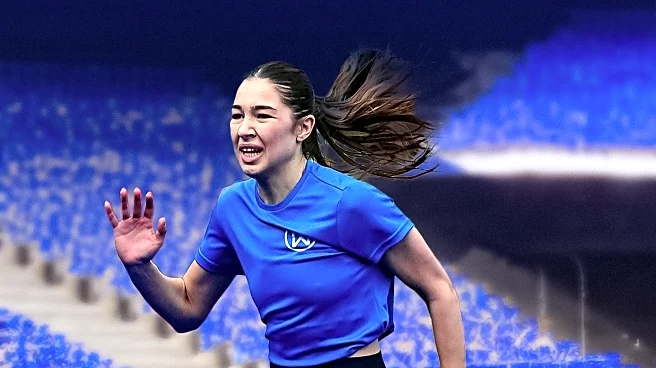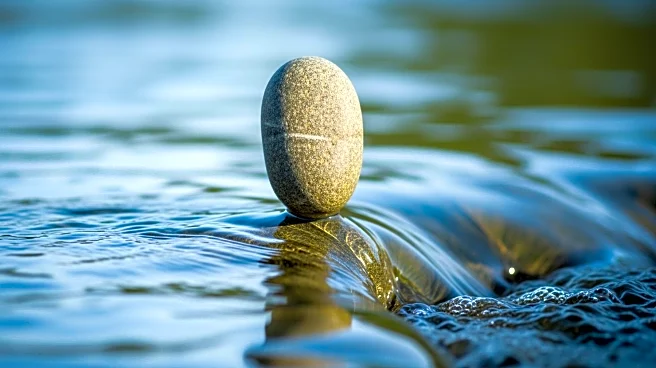

Flow is a unique psychological state where individuals experience complete immersion and focus in an activity. This state is often described as being "in the zone," where time seems to fly by, and the person
feels a deep sense of satisfaction and engagement. A critical aspect of achieving flow is the balance between the challenge of the task and the individual's skill level.
The Balance of Challenge and Skill
The concept of flow hinges on the delicate balance between challenge and skill. For flow to occur, the task at hand must be challenging enough to engage the individual but not so difficult that it becomes overwhelming. Similarly, the person's skills must be sufficient to meet the challenge, but not so advanced that the task becomes boring. This balance creates an optimal environment for flow, where the individual is fully engaged and motivated.
When the challenge is too high compared to the skill level, individuals may experience anxiety or stress, which can hinder the flow state. Conversely, if the challenge is too low, boredom may set in, preventing the person from becoming fully immersed in the activity. Therefore, finding the right balance is crucial for achieving and maintaining flow.
Characteristics of Flow in Balanced Activities
In activities where the challenge and skill are well-matched, individuals often report a merging of action and awareness. They become so absorbed in the task that they lose track of time and self-consciousness. This state is characterized by a sense of control and mastery over the activity, as well as a feeling of intrinsic motivation and enjoyment.
The experience of flow is also marked by immediate feedback, which allows individuals to adjust their actions and maintain their engagement. This feedback loop helps sustain the flow state by providing a sense of progress and accomplishment. As a result, individuals in flow often describe the experience as effortless and rewarding.
Implications for Personal and Professional Growth
Understanding the balance between challenge and skill can have significant implications for personal and professional growth. By seeking activities that align with their skill level and provide an appropriate level of challenge, individuals can enhance their performance and satisfaction. This approach can lead to greater creativity, productivity, and overall well-being.
In professional settings, fostering an environment that encourages flow can lead to increased employee engagement and job satisfaction. By providing opportunities for skill development and challenging tasks, organizations can help employees achieve flow and reach their full potential. Ultimately, the balance of challenge and skill is a key factor in unlocking the benefits of flow in various aspects of life.