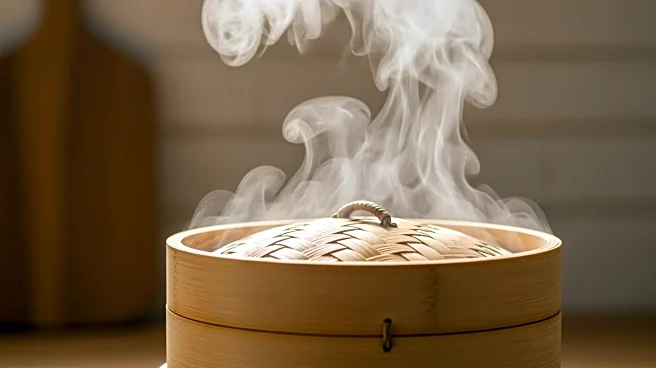




Steaming is a cooking method that has been embraced by cultures around the world for centuries. This technique, which uses steam to cook food, is celebrated for its ability to preserve nutrients and flavors. From the ancient steam pits of the American Southwest to the bamboo steamers of East Asia, steaming has played a vital role in culinary traditions across the globe. This article explores the cultural significance and variations of steaming in different
regions.
Ancient Roots and Cultural Significance
Steaming has a rich history that dates back thousands of years. In the American Southwest, steam pits used for cooking have been found dating back about 5,000 years. These pits were used to cook a variety of foods, showcasing the early adoption of steaming as a cooking method. Similarly, in China's Yellow River Valley, early steam cookers made of stoneware have been discovered, dating back as far as 5,000 BCE. These ancient practices highlight the cultural importance of steaming in early civilizations.
In East Asia, steaming is deeply embedded in culinary traditions. The bamboo steamer, a classic tool in Chinese cooking, is used to prepare a wide range of dishes, from dim sum to steamed buns. The bamboo lid of the steamer absorbs excess moisture, allowing heat to condense over delicate foods. This method is not only efficient but also enhances the flavors of the ingredients, making it a preferred technique in Chinese cuisine.
Regional Variations and Techniques
Steaming is not limited to East Asia; it is a popular cooking method in many other regions. In Japan, glutinous rice is steamed to prepare mochi rice cakes, a staple in Japanese sweets. The process of steaming rice or wheat dough is also used in making traditional Japanese sweets like mochigashi and manju. These dishes highlight the versatility of steaming in Japanese cuisine.
In Mexico and Central America, tamales are made by steaming a dough made from nixtamalized maize, known as masa, in wrappers made from corn husks or banana leaves. This technique preserves the flavors and textures of the ingredients, resulting in a dish that is both delicious and culturally significant. The use of steaming in these regions demonstrates its adaptability to different culinary traditions.
Health Benefits and Modern Applications
Steaming is often considered a healthy cooking technique because it preserves nutrients that might be lost in other cooking methods. A comparison between steaming and boiling vegetables shows that steaming retains more nutrients, such as folic acid and vitamin C. This makes steaming an attractive option for health-conscious individuals.
Modern applications of steaming have expanded beyond traditional methods. Some home microwave ovens now include structures to cook food with steam vapor, providing similar results to stove cooking. Additionally, specialized steam ovens are available, offering convenience and efficiency in modern kitchens. These innovations reflect the enduring popularity and adaptability of steaming as a cooking method.
Steaming continues to be a cherished technique in kitchens worldwide, celebrated for its ability to enhance flavors and preserve nutrients. Its cultural significance and versatility make it a timeless culinary tradition.