






A dress shirt is more than just a piece of clothing; it's a carefully constructed garment with various components that contribute to its style and functionality. Understanding these elements can enhance one's appreciation for this wardrobe staple and inform better purchasing decisions.
The Collar and Cuffs
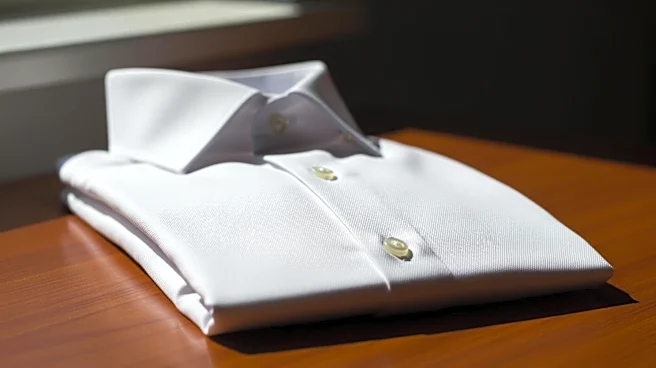
The collar is perhaps the most defining feature of a dress shirt, setting the tone for its formality. There are several styles of collars, each serving a different purpose.
The spread collar, for instance, is more formal and common in Europe, while the button-down collar, originally a British sports shirt feature, is more casual and popular in the United States.
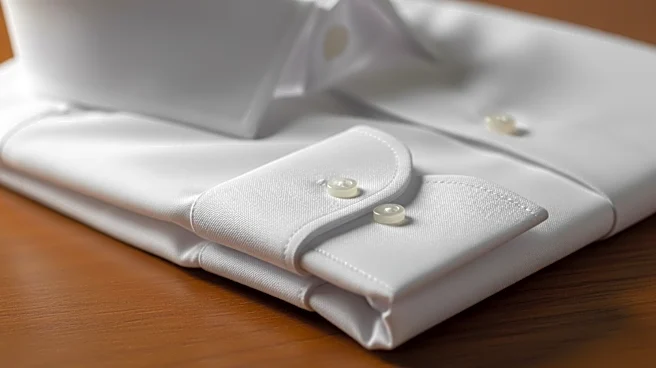
Cuffs are another critical component, with variations that include barrel cuffs, double cuffs, and single cuffs. Barrel cuffs are the standard style, fastened by one or two buttons. Double cuffs, also known as French cuffs, are folded back and fastened with cufflinks, adding a touch of elegance. Single cuffs, the most formal, are typically worn with evening wear.
The Body and Sleeves
The body of a dress shirt consists of a one-piece back and two front panels. These panels overlap slightly down the middle on the placket, where buttons or shirt studs fasten the shirt. The sleeves are usually long, with plackets at the wrist and cuffs that can be buttoned or linked.
The fit of the shirt is crucial, with options ranging from traditional to tailored fits. Traditional fits are more relaxed, while tailored fits offer a slimmer silhouette. The choice of fit can affect the overall appearance and comfort of the shirt, making it an important consideration when selecting a dress shirt.
Materials and Weaves
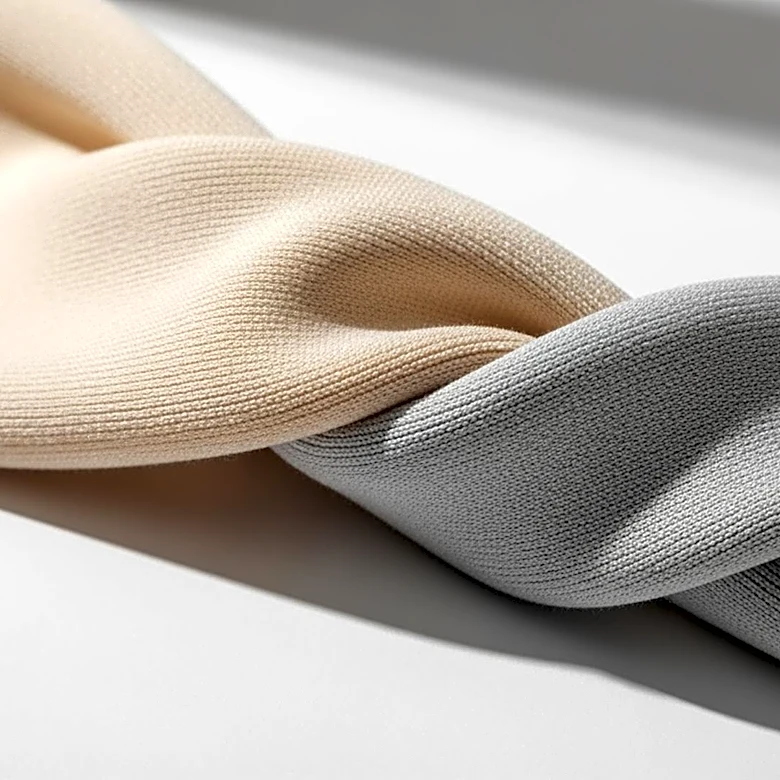
Dress shirts are typically made from woven cloth, with cotton being the most common material. Cotton offers breathability and comfort, making it ideal for both formal and casual settings. Other materials include linen, silk, and polyester blends, each offering different benefits and drawbacks.
The weave of the fabric also plays a significant role in the shirt's appearance and feel. Common weaves include broadcloth, twill, and Oxford. Broadcloth is smooth and formal, while twill has a diagonal pattern and is often used for country checks. Oxford, with its basket-weave structure, is less formal and popular for casual shirts.
Understanding the components of a dress shirt can enhance one's appreciation for this versatile garment. Whether for business or casual wear, the right combination of collar, cuffs, fit, and fabric can make all the difference in style and comfort.