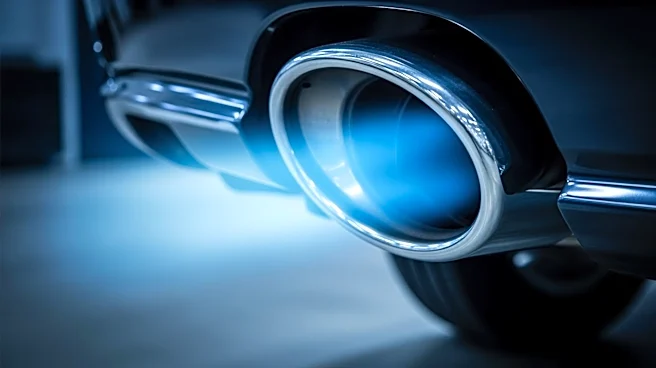

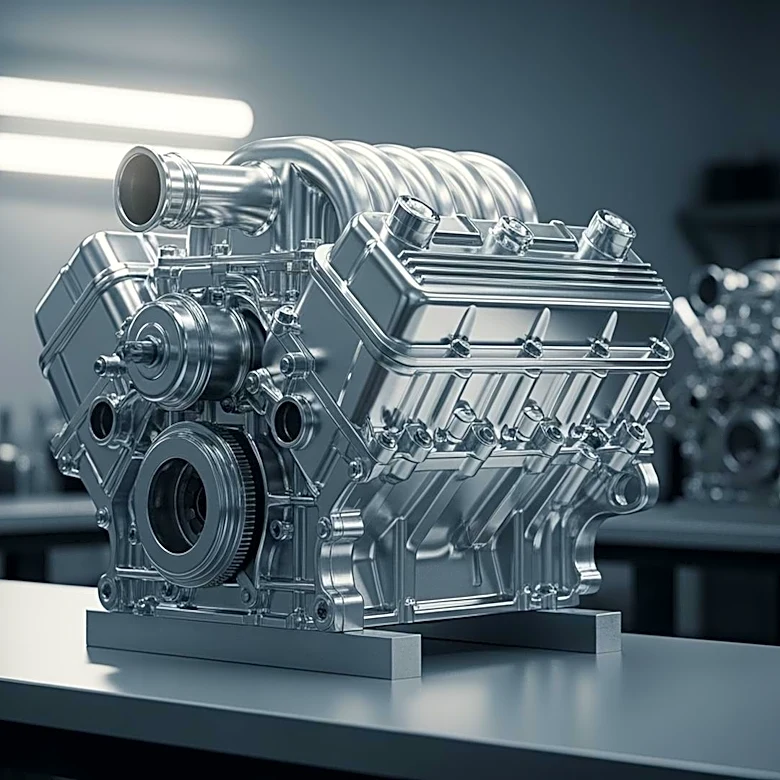


Mercedes-Benz's BlueTEC technology represents a significant advancement in emissions control for diesel engines. This article provides a detailed examination of the technical processes and components that make BlueTEC a leader in reducing nitrogen oxide (NOx) emissions.
Understanding the BlueTEC System
The BlueTEC system is designed to tackle the challenge of NOx emissions in diesel engines, which operate at lean air-fuel ratios. The system comprises several key components, including
a selective catalytic reduction (SCR) system, NOx adsorbers, and a diesel particulate filter. Each component plays a crucial role in the emissions control process.
The SCR system is central to BlueTEC's effectiveness. It uses diesel exhaust fluid, a solution of urea and water, which is injected into the exhaust gas stream. This fluid facilitates the conversion of NOx into harmless nitrogen and water. The SCR system is complemented by NOx adsorbers, known as DeNOx, which use an oxidizing catalytic converter to further reduce emissions.
The Emissions Control Process
The emissions control process in BlueTEC technology is a multi-step operation. It begins with a diesel oxidation catalyst that reduces carbon monoxide and hydrocarbons in the exhaust. Following this, the DeNOx catalytic converter initiates the preliminary removal of NOx. A particulate filter then traps soot particles, burning them off when the filter reaches capacity.
If these steps are insufficient to meet emissions regulations, the SCR catalytic converter takes over, converting the remaining NOx into nitrogen and water. This comprehensive approach ensures that BlueTEC-equipped vehicles comply with stringent environmental standards, such as the Tier 2 regulations in the U.S.
Challenges in Emissions Control
Despite its advanced technology, BlueTEC has faced challenges in real-world applications. On-road tests have shown that under certain conditions, such as temperatures below 10 degrees Celsius, NOx emissions can exceed laboratory test results. Mercedes-Benz has acknowledged these discrepancies, stating that emissions may vary based on environmental factors.
Additionally, allegations of emissions defeat devices have led to legal challenges and investigations. These issues highlight the complexities of emissions control technology and the need for continuous innovation and compliance with evolving standards.
BlueTEC technology remains a cornerstone of Mercedes-Benz's efforts to reduce environmental impact while maintaining performance and efficiency. Its sophisticated emissions control processes demonstrate the brand's commitment to sustainability and technological advancement.