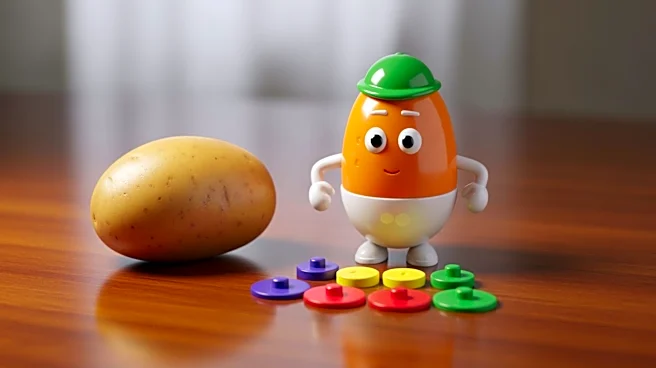




Mr. Potato Head has been a staple in the toy industry for decades, evolving significantly since its inception. Originally conceived as a set of plastic parts to be used with real vegetables, the toy has undergone numerous transformations to become the beloved plastic figure we know today. This article delves into the historical development of Mr. Potato Head, highlighting key changes and milestones in its design.
The Original Concept
In 1949, George Lerner invented Mr.
Potato Head, initially as a set of plastic face pieces designed to be attached to real vegetables. This innovative idea allowed children to create "funny face men" by inserting pronged parts into potatoes or other produce. However, the concept faced initial resistance due to post-World War II attitudes against wasting food. Despite this, Lerner managed to sell the idea to a cereal company, which planned to use the parts as giveaways in cereal boxes.
The turning point came when Lerner and the Hassenfeld Brothers, now known as Hasbro, bought back the rights to the toy. In 1952, Mr. Potato Head was officially launched, marking the beginning of its journey as a commercial toy. The original kits included only the plastic parts, with the packaging recommending the use of real potatoes.
Transition to Plastic
The use of real vegetables posed several challenges, including complaints about rotting produce and safety concerns. In response, Hasbro introduced a plastic potato body in 1964, allowing the toy to be used without the need for real vegetables. This change not only addressed the issues of spoilage and safety but also made the toy more convenient and appealing to parents.
Further modifications were made in the 1970s to comply with new safety regulations. The toy's design was altered to include larger parts to prevent choking hazards, and the sharp ends were removed to avoid injuries. These changes ensured that Mr. Potato Head remained a safe and enjoyable toy for children.
Modern Adaptations
Over the years, Mr. Potato Head has continued to evolve, reflecting changes in societal norms and consumer preferences. In 1983, the toy was updated with bendable arms and a storage compartment, enhancing its play value. More recently, in 2021, Hasbro rebranded the toy as "Potato Head," dropping the "Mr." title to promote inclusivity while retaining the individual characters of Mr. and Mrs. Potato Head.
These adaptations have allowed Mr. Potato Head to remain relevant in a rapidly changing market. The toy's ability to adapt to new trends and safety standards has ensured its longevity, making it a cherished part of many childhoods. As Mr. Potato Head continues to evolve, it remains a testament to the enduring appeal of creative play.