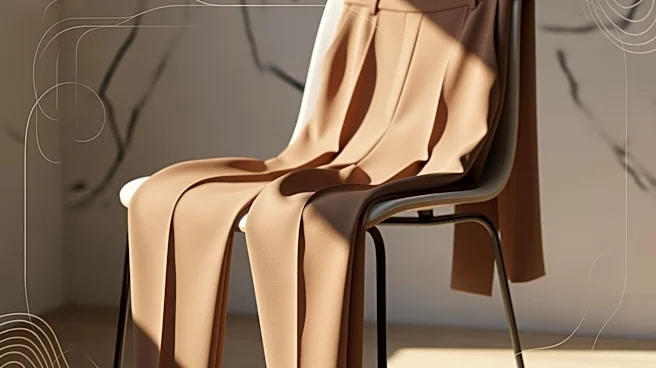





Trousers have long been a symbol of practicality and freedom, but their journey into women's fashion has been fraught with challenges and cultural shifts. From being a garment strictly for men to becoming a staple in women's wardrobes, trousers have played a significant role in the evolution of women's fashion. This article delves into the history and cultural significance of trousers in women's fashion.
Early Challenges and Cultural Norms
For much of modern history, trousers were considered
a male garment, with societal norms and laws enforcing this distinction. However, there have been instances throughout history where women defied these norms. In the 19th century, the women's rights movement saw figures like Elizabeth Smith Miller and Amelia Bloomer advocating for the adoption of trousers, known as bloomers, as a symbol of freedom and practicality.
Despite these early efforts, trousers remained largely unacceptable for women in many parts of the world. Laws in cities like San Francisco and Paris prohibited women from wearing trousers without special permission. These restrictions reflected broader societal views on gender roles and the perceived impropriety of women wearing what was considered men's clothing.
The 20th Century: A Turning Point
The 20th century marked a significant turning point for trousers in women's fashion. During World War I and World War II, women took on roles traditionally held by men, leading to a practical need for trousers in the workplace. This shift was further popularized by cultural icons like Marlene Dietrich and Katharine Hepburn, who were often photographed wearing trousers.
The post-war era saw trousers becoming more accepted as casual wear for women, though they were still not widely accepted in formal settings. The 1960s and 70s brought further change, with designers like Yves Saint Laurent introducing trousers as a fashion statement for women. The era of the pantsuit began, and trousers became a symbol of women's liberation and equality.
Modern Acceptance and Versatility
Today, trousers are a staple in women's fashion, available in a wide range of styles, from jeans and leggings to tailored dress pants. The cultural shift towards gender equality has played a significant role in this acceptance, with trousers now seen as a versatile and practical garment for all occasions.
The journey of trousers in women's fashion reflects broader societal changes and the ongoing struggle for gender equality. As a garment that once symbolized defiance and rebellion, trousers have become a testament to the progress made in women's rights and fashion. Their evolution continues to inspire and empower women around the world.