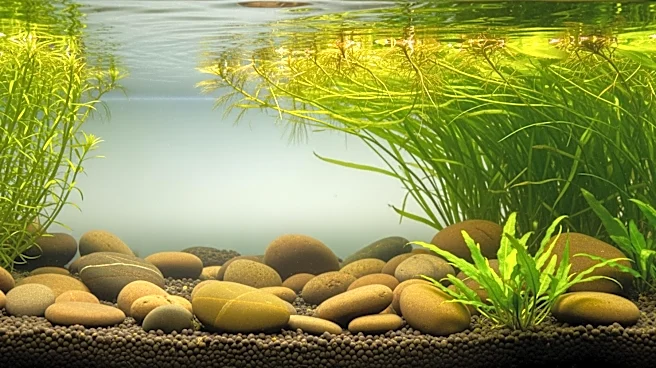




Freshwater aquariums are not just decorative; they are complex ecosystems that require careful management to thrive. This article delves into the scientific principles behind maintaining a balanced aquarium, focusing on the nitrogen cycle, oxygenation, and the role of plants and substrates.
The Nitrogen Cycle
The nitrogen cycle is a fundamental process in aquarium science, crucial for maintaining water quality. Fish waste and uneaten food produce ammonia, which is toxic
to aquatic life. Beneficial bacteria convert ammonia into nitrites and then into nitrates, which are less harmful. This cycle is essential for preventing the buildup of toxic substances.
When starting an aquarium, biological enhancers are often used to speed up the nitrogen cycle by introducing beneficial bacteria. Regular water changes and testing kits help monitor ammonia, nitrite, and nitrate levels, ensuring a safe environment for fish and plants.
Oxygenation and Surface Area
Oxygenation is vital for the health of aquarium inhabitants. The surface area of the tank plays a significant role in oxygen exchange, with larger surface areas allowing more oxygen to dissolve in the water. Short and wide aquariums are preferable for freshwater environments, as they provide superior in-tank oxygenation.
Air pumps and airstones further enhance oxygen levels by circulating water and creating bubbles. Proper oxygenation supports fish respiration and helps maintain a stable ecosystem, allowing hobbyists to keep a greater number of fish.
The Role of Plants and Substrates
Plants are integral to aquarium ecosystems, offering both aesthetic and practical benefits. They consume fish waste, produce oxygen, and provide shelter for fish and invertebrates. Hardy plants like Hygrophila and Vallisneria are popular choices for their resilience and ability to thrive in various conditions.
Substrates, such as sand or gravel, replicate the natural environment and support plant growth. They also play a role in water filtration, trapping debris and providing a habitat for beneficial bacteria. The choice of substrate can impact water chemistry, influencing the health of the aquarium.
Maintaining a balanced freshwater aquarium requires an understanding of scientific principles and careful management of ecosystems. By focusing on the nitrogen cycle, oxygenation, and the role of plants and substrates, hobbyists can create thriving aquatic environments that mimic nature's balance.