





Poetry is a universal form of expression that transcends cultural and linguistic boundaries. Throughout history, poetry has played a significant role in shaping cultural identities and reflecting societal values. This article explores the cultural impact of poetry across different regions and traditions, highlighting its enduring significance in human society.
Poetry in Ancient Civilizations
In ancient civilizations, poetry was often intertwined with religious and cultural practices.
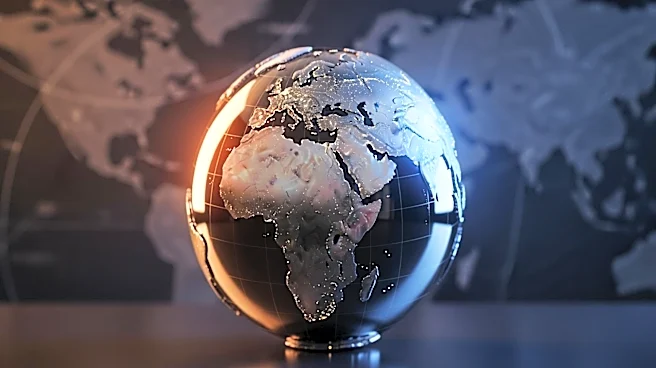
In Africa, poetry dates back to prehistoric times, with hunting poetry and court poetry being integral to the empires of the Nile, Niger, and Volta River valleys. The Pyramid Texts, written during the 25th century BCE, are among the earliest examples of written poetry in Africa, showcasing the deep-rooted tradition of poetic expression on the continent.
Similarly, in Western Asia, the Epic of Gilgamesh, written in the Sumerian language, is one of the earliest surviving epic poems. This work, along with other ancient epics, served as a means of preserving cultural narratives and values. In the Eurasian continent, folk songs and religious hymns, such as the Chinese Shijing and the Indian Rigveda, played a crucial role in shaping cultural identities and transmitting knowledge across generations.
The Role of Poetry in Cultural Identity
Poetry has long been a vehicle for expressing cultural identity and preserving traditions. In many cultures, poetry is used to convey stories, beliefs, and values that define a community. For example, the Shijing, a collection of Chinese poetry, was highly valued by the philosopher Confucius and became one of the official Confucian classics. This collection of poems and folk songs not only reflected the cultural values of ancient China but also influenced the development of Chinese music theory.
In the Middle East, Arabic poetry has a rich tradition, with poets using rhyme and meter to create works that explore themes of love, spirituality, and social justice. The ghazal, a form of Arabic poetry, often reflects on unattainable love or divinity, showcasing the deep emotional and spiritual connections that poetry can evoke.
Poetry in the Modern World
In the modern world, poetry continues to be a powerful tool for cultural expression and social commentary. Poets often draw on their cultural heritage to address contemporary issues, using poetry to challenge societal norms and inspire change. The global nature of modern poetry allows for the blending of different cultural influences, creating a rich tapestry of poetic expression.
As poets adapt forms, styles, and techniques from diverse cultures and languages, poetry remains a dynamic and evolving art form. Its ability to capture the complexities of human experience and reflect cultural values ensures that poetry will continue to hold a significant place in societies around the world.