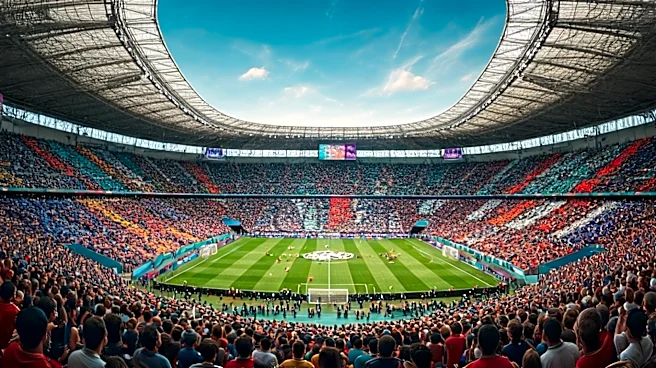







The Argentina–Netherlands football rivalry is more than just a series of matches; it is a cultural phenomenon that has left a lasting impact on both nations. This rivalry, characterized by intense competition and memorable encounters, has influenced the cultural and sporting landscapes of Argentina and the Netherlands, shaping the way football is perceived and celebrated in these countries.
Football as a Cultural Touchstone
In Argentina, football is more than a sport; it is a cultural
touchstone that unites people across the nation. The rivalry with the Netherlands has played a significant role in this cultural narrative, providing moments of national pride and unity. The 1978 World Cup victory, in particular, is a source of immense pride for Argentines, as it marked their first World Cup triumph and was achieved on home soil.
This victory was not just a sporting achievement but a cultural milestone that reinforced Argentina's identity as a footballing nation. The rivalry with the Netherlands has continued to be a focal point for Argentine fans, who view these matches as opportunities to showcase their national pride and passion for the game.
The Dutch Perspective
In the Netherlands, football is also a significant part of the cultural fabric. The rivalry with Argentina has provided Dutch fans with memorable moments and a sense of sporting identity. The 1998 World Cup quarter-final victory over Argentina is one such moment, celebrated as a testament to Dutch footballing prowess.
This match, marked by Dennis Bergkamp's iconic goal, is remembered as a highlight in Dutch football history. The rivalry with Argentina has contributed to the Netherlands' reputation as a formidable footballing nation, known for its skill and competitive spirit. For Dutch fans, matches against Argentina are seen as opportunities to demonstrate their team's capabilities on the world stage.
A Shared Legacy
The Argentina–Netherlands football rivalry has created a shared legacy that transcends the sport itself. It has fostered a sense of camaraderie and mutual respect between the two nations, despite the intense competition on the field. This rivalry has also contributed to the global appeal of football, drawing fans from around the world to witness these epic encounters.
As both nations continue to compete in international tournaments, the cultural impact of the Argentina–Netherlands rivalry remains significant. It serves as a reminder of the power of sport to unite people and create lasting memories. The rivalry is a testament to the enduring appeal of football and its ability to transcend borders and cultures.
The cultural impact of the Argentina–Netherlands football rivalry is profound, influencing the way football is celebrated and experienced in both nations. As the rivalry continues to evolve, it will undoubtedly leave a lasting legacy on the cultural and sporting landscapes of Argentina and the Netherlands.