

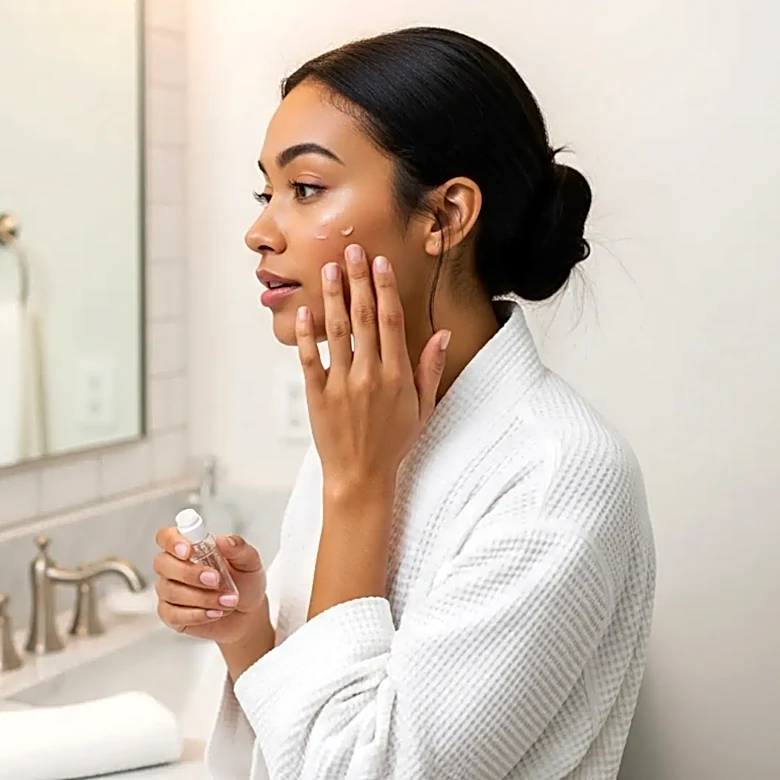






While adapalene is primarily known for its role in treating acne, its applications extend far beyond this common skin condition. As a third-generation retinoid, adapalene offers unique properties that make it effective for a range of off-label uses. This article explores the versatility of adapalene in addressing various skin issues, highlighting its potential benefits beyond acne treatment.
Off-Label Applications
Adapalene's ability to inhibit keratinocyte differentiation
and decrease keratin deposition makes it an effective treatment for keratosis pilaris and callus. These conditions, characterized by rough and bumpy skin, benefit from adapalene's exfoliating properties, which help smooth the skin's texture.
Additionally, adapalene has been reported in the literature as a treatment for warts, molluscum contagiosum, Darier's disease, photoaging, pigmentary disorders, actinic keratoses, and alopecia areata. Its anti-inflammatory and exfoliating effects contribute to its efficacy in these diverse applications, offering patients relief from various dermatological concerns.
Cosmetic Uses
Beyond its medical applications, adapalene is also utilized in cosmetic formulations. Oleyl adapalenate, a derivative of adapalene, is available for broader skincare and cosmetic usage. This version of adapalene is designed to improve skin tolerability, reduce irritation, and enhance stability, making it suitable for addressing issues related to photoaging, wrinkles, and acne-induced post-inflammatory erythema and hyperpigmentation.
The availability of adapalene in over-the-counter products at 0.1% concentration allows consumers to incorporate this retinoid into their skincare routines without a prescription. However, higher concentrations are restricted to prescription drugs, ensuring that more potent formulations are used under professional guidance.
Safety and Tolerability
Of the three topical retinoids, adapalene is often regarded as the best tolerated. While it can cause mild adverse effects such as photosensitivity, irritation, redness, dryness, itching, and burning, these effects are generally mild and decrease over time. Serious allergic reactions are rare, making adapalene a safe option for long-term use.
The versatility of adapalene in treating various skin conditions, combined with its favorable safety profile, underscores its value as a multifaceted retinoid. Whether used for acne, off-label applications, or cosmetic purposes, adapalene continues to be a reliable choice for improving skin health and appearance.