
Beef production is a significant contributor to environmental issues, including deforestation, greenhouse gas emissions, and water usage. As the demand for beef continues to rise, understanding its environmental impact
is crucial for developing sustainable practices. This article explores the environmental challenges associated with beef production and potential solutions to mitigate these effects.
Deforestation and Land Use
One of the major environmental impacts of beef production is deforestation, particularly in regions like the Amazon rainforest. Cattle ranching is a leading cause of deforestation, as vast areas of forest are cleared to create pastureland for grazing. This not only leads to the loss of biodiversity but also contributes to carbon emissions, as trees that absorb carbon dioxide are removed.
In addition to deforestation, beef production requires significant land resources. Cattle grazing occupies about 26% of the Earth's land surface, not including the land used to grow feed crops. This extensive land use can lead to soil degradation and loss of habitat for wildlife.
Greenhouse Gas Emissions
Beef production is a major source of greenhouse gas emissions, particularly methane, which is released during digestion in cattle. Methane is a potent greenhouse gas, with a much higher heat-trapping ability than carbon dioxide. The entire lifecycle of beef production, from feed production to transportation, contributes to these emissions.
Efforts to reduce emissions include improving feed efficiency and exploring alternative feed options, such as seaweed, which has been shown to reduce methane emissions in cattle. Additionally, better land management practices can help sequester carbon in soils, offsetting some of the emissions from beef production.
Water Usage and Pollution
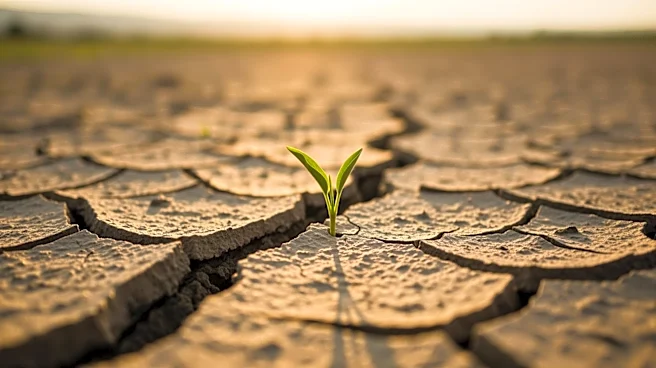
Beef production is also water-intensive, requiring large quantities of water for feed crops and cattle. This high water usage can strain local water resources, especially in regions prone to drought. Moreover, runoff from cattle farms can lead to water pollution, affecting aquatic ecosystems and water quality.
To address these issues, sustainable water management practices are essential. This includes optimizing irrigation for feed crops and implementing systems to manage manure and reduce runoff. Additionally, reducing beef consumption and shifting towards more sustainable protein sources can alleviate some of the pressure on water resources.
In conclusion, while beef production poses significant environmental challenges, there are opportunities to reduce its impact through sustainable practices and technological innovations. By addressing deforestation, emissions, and water usage, the beef industry can move towards a more sustainable future.