
Art therapy is a versatile and dynamic field that utilizes a wide range of techniques and materials to facilitate healing and personal growth. By engaging in the creative process, individuals can explore
their emotions, resolve conflicts, and enhance their well-being. This article delves into the different methods and materials employed in art therapy, highlighting their unique contributions to the therapeutic process.
Techniques in Art Therapy
Art therapy encompasses several approaches, each with its own focus and methodology. One prominent technique is analytic art therapy, which is rooted in analytical psychology and psychoanalysis. This approach emphasizes the relationship between the client and therapist, exploring the ideas and emotions transferred through art. Analytic art therapy provides a framework for understanding the unconscious mind and its influence on behavior.
Another technique is art psychotherapy, which prioritizes the verbal analysis of clients' artwork by psychotherapists. This method allows therapists to gain insights into clients' emotional states and underlying conflicts. By discussing the artwork, clients can articulate their feelings and experiences, leading to greater self-awareness and resolution of issues.
Art as therapy is a third approach that focuses on the creative process itself rather than verbal analysis. Practitioners of this method believe that the act of creating art is inherently therapeutic, allowing individuals to express themselves freely and without judgment. This approach emphasizes the importance of the artistic experience in fostering personal growth and emotional healing.
Materials Used in Art Therapy
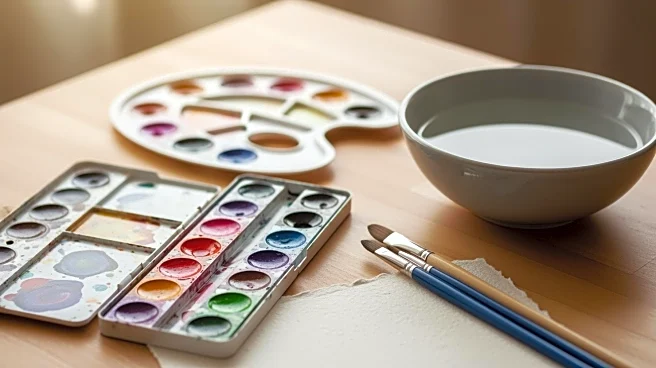
Art therapy employs a diverse array of materials, each offering unique opportunities for expression and exploration. Common materials include paint, paper, pen, clay, sand, and fabric. These media provide tactile and sensory experiences that can enhance the therapeutic process.
Paint, for example, allows individuals to explore color and form, facilitating emotional expression and creativity. Clay offers a hands-on experience that can be particularly grounding and soothing, helping clients connect with their physical selves. Sand and fabric provide opportunities for sensory exploration, encouraging clients to engage with their environment in new and meaningful ways.
The choice of materials in art therapy is often guided by the client's needs and preferences. Art therapists select materials that align with therapeutic goals, ensuring that the creative process is both accessible and effective for each individual.
The Role of the Art Therapist
Art therapists play a crucial role in guiding clients through the creative process and facilitating therapeutic outcomes. They are trained to assess clients' strengths and needs, designing sessions that promote insight, coping, and personal fulfillment. Art therapists may work with individuals or groups, tailoring their approach to suit the specific context and goals of therapy.
In addition to selecting appropriate materials and techniques, art therapists provide a safe and supportive environment for clients to express themselves. They encourage exploration and experimentation, fostering a sense of empowerment and autonomy in the creative process. By building a trusting therapeutic relationship, art therapists help clients navigate their emotions and experiences, promoting healing and growth.
Art therapists also draw upon historical art and symbols to enrich the therapeutic experience. By incorporating archetypal imagery and cultural references, they can deepen clients' understanding of their own narratives and identities. This approach allows clients to connect with broader themes and meanings, enhancing the therapeutic journey.
Conclusion
Art therapy is a multifaceted discipline that harnesses the power of creativity to promote healing and well-being. Through a variety of techniques and materials, art therapists help individuals explore their emotions, resolve conflicts, and achieve personal growth. By understanding the diverse methods and materials used in art therapy, we can appreciate the depth and richness of this therapeutic approach.
As art therapy continues to evolve, it will undoubtedly incorporate new techniques and materials, expanding its reach and impact. The field's emphasis on creativity and personal expression ensures its continued relevance in addressing the complex mental health needs of individuals and communities. By embracing the transformative potential of art, art therapy offers a unique and powerful pathway to healing and self-discovery.