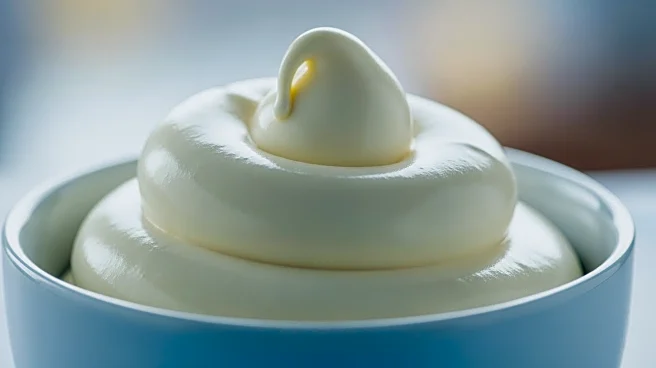

Frozen custard is often compared to ice cream, but it boasts several unique characteristics that make it a distinct and beloved dessert. Known for its rich, creamy texture and smooth consistency, frozen
custard has captured the hearts of dessert lovers across the United States. This article delves into what makes frozen custard special and how it differs from traditional ice cream.
Ingredients and Texture
One of the key differences between frozen custard and ice cream lies in the ingredients. Frozen custard is made with egg yolks, cream, and a sweetener, which can be sugar or an alternative. The addition of egg yolks is what gives frozen custard its signature creamy texture and rich flavor. This ingredient not only enhances the taste but also contributes to the dessert's smooth consistency.
In terms of texture, frozen custard is denser and thicker than ice cream. This is due to the lower overrun, or the amount of air incorporated into the dessert during the freezing process. While soft serve ice creams can have an overrun as high as 100%, frozen custard typically has an overrun of 15-30%, similar to gelato. This lower air content results in a denser, creamier product that many find more satisfying than traditional ice cream.
Production and Serving Temperature
The production process of frozen custard also sets it apart from ice cream. Unlike ice cream, where air is pumped into the mix, frozen custard is made in a continuous freezer. The mix enters a refrigerated tube, and as it freezes, blades scrape the product off the barrel walls. This method minimizes the amount of air in the custard and ensures that the ice crystals formed are small, contributing to the dessert's smooth texture.
Frozen custard is typically served at a warmer temperature than ice cream, around -8 °C (18 °F) compared to ice cream's -12 °C (10 °F). This warmer serving temperature allows the custard to maintain its soft, creamy consistency, making it a delightful treat for those who prefer a softer dessert.
Legal Definitions and Variations
In the United States, the Food and Drug Administration (FDA) has specific requirements for products marketed as frozen custard. To be labeled as such, the dessert must contain at least 10% milkfat and 1.4% egg yolk solids. If a product contains less than this percentage of egg yolk solids, it is classified as ice cream.
Frozen custard can also be referred to as "French ice cream" or "French custard ice cream," according to the FDA. These variations highlight the dessert's rich, egg-based composition, which sets it apart from other frozen treats. As frozen custard continues to delight dessert enthusiasts, its unique characteristics remain a testament to its enduring appeal.