



In the world of automotive braking systems, two primary types stand out: brake discs and drum brakes. Each has its own set of characteristics, advantages, and applications. This article provides a comparative analysis of these two braking systems, helping readers understand their differences and where each is best utilized.
The Basics of Brake Discs
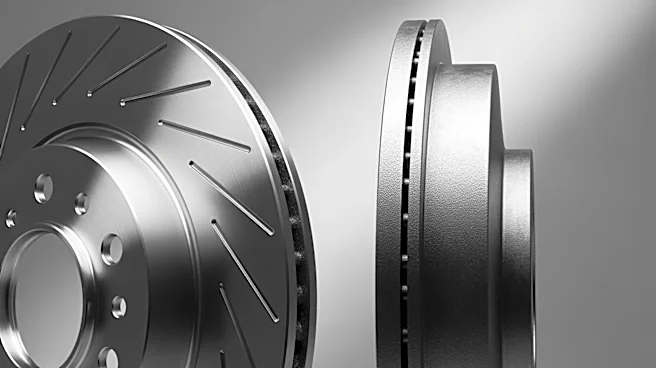
Brake discs, or rotors, are a common feature in modern vehicles, known for their efficiency and reliability. They consist of a rotating
disc attached to the wheel or axle, with brake pads mounted in a caliper that applies friction to both sides of the disc. This friction slows down the wheel, converting kinetic energy into heat, which is then dissipated into the air.
One of the key advantages of brake discs is their ability to handle heat effectively. The design allows for better cooling, reducing the risk of brake fade—a condition where brakes lose effectiveness due to overheating. This makes disc brakes particularly suitable for high-performance applications and vehicles that require consistent braking power.
Understanding Drum Brakes
Drum brakes, on the other hand, use a set of shoes or pads that press outward against a rotating drum. This type of brake was more common in older vehicles and is still used in some modern applications, particularly in the rear wheels of certain cars and trucks.
While drum brakes are generally less expensive to produce, they have some limitations. They are more prone to brake fade due to their enclosed design, which can trap heat. However, they offer a self-energizing effect, where the rotation of the drum helps apply the brakes, requiring less input force from the driver. This characteristic can be beneficial in certain applications, such as parking brakes.
Applications and Considerations
The choice between brake discs and drum brakes often depends on the specific requirements of the vehicle. Disc brakes are favored for their superior performance and heat management, making them ideal for the front wheels of most cars, where the majority of braking force is needed. They are also common in high-performance and racing vehicles.
Drum brakes, while less common in new vehicles, are still used in certain applications due to their cost-effectiveness and self-energizing properties. They are often found in the rear wheels of budget-friendly cars and in parking brake systems.
In conclusion, both brake discs and drum brakes have their place in the automotive world. Understanding their differences and applications can help consumers make informed decisions about their vehicle's braking system, ensuring safety and performance on the road.