



Rowing machines, or indoor rowers, are popular fitness equipment that simulate the action of watercraft rowing. They offer a full-body workout and are used for both exercise and competitive sports. Modern rowing machines are equipped with various resistance and motion mechanisms, each providing a unique rowing experience. This article explores the different types of resistance and motion mechanisms found in contemporary rowing machines, highlighting
their features and benefits.
Types of Resistance in Rowing Machines
Rowing machines utilize different types of resistance to simulate the rowing experience. The most common types include piston, magnetic, air, and water resistance. Each type offers distinct advantages and caters to different user preferences.
Piston resistance is generated by hydraulic cylinders attached to the handles of the rowing machine. This type of resistance is often found in compact, affordable models and is suitable for beginners. Magnetic resistance, on the other hand, uses permanent magnets or electromagnets to control resistance levels. This type of resistance is known for its smooth, quiet operation and is ideal for home use.
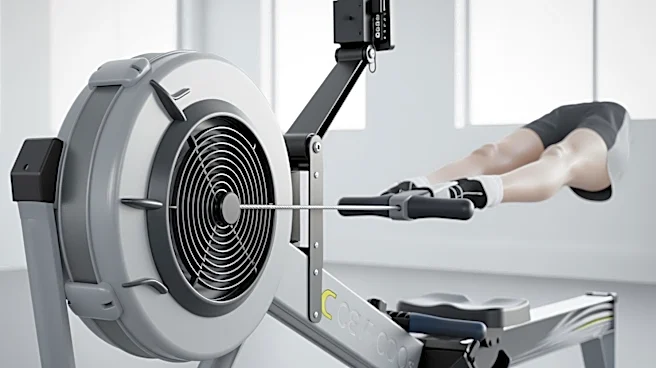
Air resistance models use vanes on a flywheel to create resistance. The harder you row, the more resistance you generate, mimicking the feel of rowing on water. Water resistance models feature a paddle revolving in an enclosed tank of water, providing a realistic rowing experience. The resistance increases with the speed of the rowing stroke, closely simulating the dynamics of rowing on water.
Motion Mechanisms: Fixed vs. Dynamic
Modern rowing machines also differ in their motion mechanisms, which affect the rowing experience. There are two primary motion types: fixed and dynamic.
In fixed motion machines, the flywheel and footrests are attached to a stationary frame, while the seat slides back and forth. This design is common in most rowing machines and provides a stable, straightforward rowing experience. The Concept2 Model D is a popular example of a fixed motion rowing machine.
Dynamic motion machines, such as the RowPerfect, feature a moving flywheel and seat. Both the seat and footrests slide back and forth, allowing for a more fluid rowing motion. This design closely mimics the feel of rowing on water, making it a preferred choice for competitive rowers and those seeking a more authentic experience.
Choosing the Right Rowing Machine
When selecting a rowing machine, it's essential to consider your fitness goals, budget, and available space. Each type of resistance and motion mechanism offers unique benefits, so it's crucial to choose one that aligns with your needs.
For those seeking a realistic rowing experience, water resistance and dynamic motion machines are ideal. If you prefer a quieter, low-maintenance option, magnetic resistance models are a great choice. Regardless of the type, rowing machines provide an effective, low-impact workout that can improve cardiovascular health and overall fitness.