





Chickpeas, a staple in many diets around the world, are not only valued for their nutritional benefits but also for their adaptability in various agricultural systems. The cultivation of chickpeas involves a combination of traditional practices and modern scientific advancements. This article delves into the science behind chickpea cultivation, highlighting the methods used to enhance yield and quality.
Agricultural Practices
Chickpeas are typically grown in semi-arid regions,
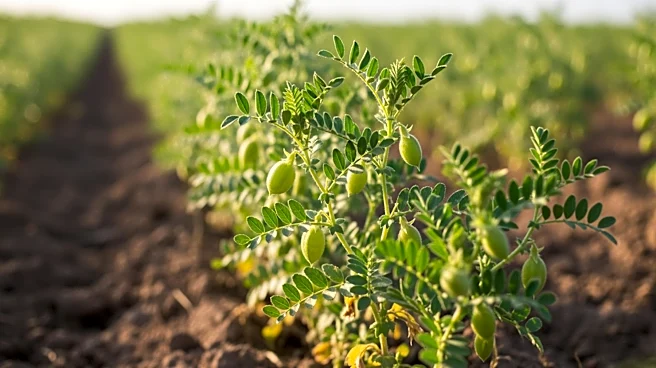
where they thrive in well-drained soils. The plant grows to a height of 20-50 cm and produces pods containing two or three seeds each. Farmers often select chickpea varieties based on their adaptability to local climates and soil conditions. The Desi variety, with its small, dark seeds, is commonly grown in South Asia, while the larger Kabuli variety is favored in the Mediterranean and Middle East.
One of the key factors in successful chickpea cultivation is the timing of planting. In regions with wet winters, chickpeas are sown in the spring to avoid diseases like Ascochyta blight, which can devastate crops. This strategic timing allows farmers to maximize yield and minimize the risk of crop failure.
Nutrient Management
The growth and yield of chickpeas are heavily influenced by nutrient management practices. Chickpeas require a balanced supply of macronutrients, particularly phosphorus and nitrogen, to thrive. Phosphorus is essential for root development and energy transfer within the plant, while nitrogen is crucial for protein synthesis.
Research has shown that the application of inorganic phosphorus can significantly increase the height and yield of chickpea plants. However, excessive nitrogen can inhibit growth, particularly in drought-prone areas where nitrogen uptake is limited. Farmers must carefully manage nutrient levels to ensure optimal growth and productivity.
Scientific Advancements
Recent scientific advancements have further enhanced chickpea cultivation. Genome sequencing of chickpea varieties has identified over 28,000 genes and numerous genetic markers, providing valuable insights into the plant's genetic makeup. This information is used to develop new varieties with improved resistance to diseases and environmental stresses.
Marker-assisted selection is a promising technique that allows breeders to select for desirable traits, such as disease resistance and drought tolerance. This method accelerates the breeding process and helps develop chickpea varieties that can withstand the challenges of modern agriculture.
The science behind chickpea cultivation is a testament to the plant's adaptability and resilience. Through a combination of traditional practices and modern scientific techniques, farmers can optimize chickpea production to meet the growing demand for this nutritious legume. As research continues to advance, chickpeas will remain a vital crop in sustainable agriculture.