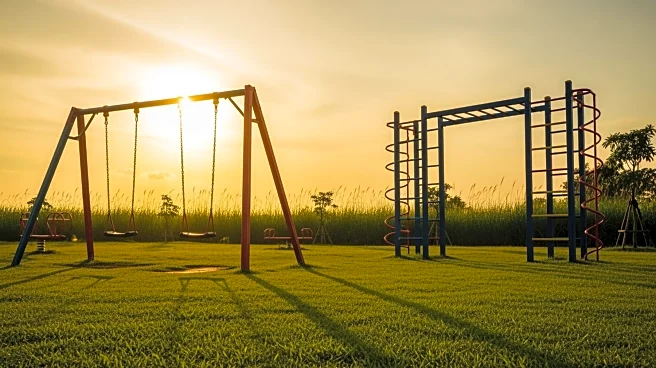


Physical inactivity among children and adolescents is a growing concern worldwide, with significant implications for health and well-being. The lack of effective physical education in schools is a major contributor to this issue, leading to a sedentary lifestyle that can have long-term consequences. This article delves into the global challenge of physical inactivity in education, examining its causes, consequences, and potential solutions.
Causes of Inadequate Physical Education
The inadequacy
of physical education in schools is a multifaceted problem that varies across different regions. In many countries, budgetary constraints and a shortage of qualified physical education teachers are significant barriers. For instance, in some African nations, limited school hours and financial resources lead to a focus on academic subjects like languages and mathematics, sidelining physical education. Cultural attitudes also play a role; in parts of Central America and Asia, exercise is often viewed as leisure rather than an essential part of the curriculum.
Moreover, governmental policies can impact the provision of physical education. In several South American countries, except Chile and Colombia, there are no laws mandating physical education, resulting in its omission from many schools. In the United States, while physical education is part of the curriculum, mandated hours are frequently not met, with students often substituting other activities like marching band practices.
Consequences of Physical Inactivity
The consequences of physical inactivity are both physical and psychological. Children with sedentary lifestyles exhibit poorer motor coordination, bone density, and flexibility compared to their active peers. Long-term effects include a higher likelihood of engaging in unhealthy behaviors such as tobacco and alcohol use. Obesity, strongly linked to inactivity, poses significant health risks, including heart disease, diabetes, and high blood pressure.
Psychologically, inactivity is associated with increased stress and poor mental health, including major depression. It also affects academic performance, with inactive children showing poorer concentration and lower achievement in subjects like mathematics and reading. The social implications are equally concerning, as overweight children often face bullying and have lower self-esteem.
Addressing the Issue
Addressing the lack of physical education requires a multifaceted approach. Schools need to prioritize physical education by ensuring adequate facilities, qualified teachers, and a curriculum that encourages lifelong participation. Governments can play a crucial role by enacting policies that mandate physical education and provide necessary funding.
Community involvement is also vital. Parents should encourage physical activity at home, and schools can offer intramural sports and activities outside regular hours. International cooperation and sharing of best practices can enhance the effectiveness of physical education programs globally, promoting healthier lifestyles for future generations.