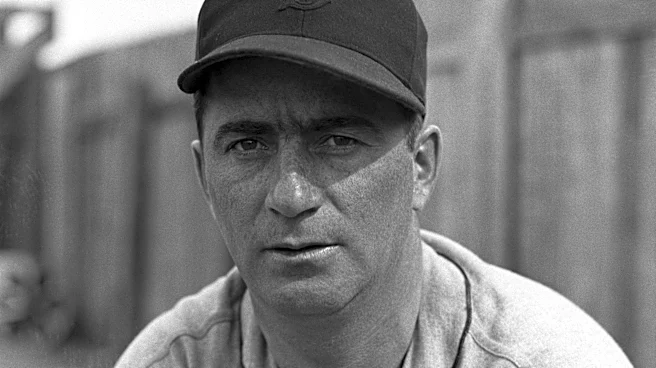



Roger Bresnahan's journey to the Baseball Hall of Fame is a story of talent, innovation, and perseverance. Known for his versatility on the field and his pioneering contributions to player safety, Bresnahan's career spanned several teams and roles. His induction into the Hall of Fame in 1945 was a testament to his impact on the game, both as a player and as an innovator. This article explores the milestones and achievements that led to Bresnahan's enshrinement
in baseball's most prestigious institution.
Early Achievements and Career Highlights
Roger Bresnahan began his major-league career as a pitcher with the Washington Senators in 1897. His debut was marked by a six-hit shutout, showcasing his potential as a formidable player. However, it was his adaptability and skill in various positions that truly set him apart. Bresnahan played for several teams, including the Chicago Orphans, Baltimore Orioles, and New York Giants, where he demonstrated his ability to excel as a catcher, outfielder, and even a manager.
One of Bresnahan's most notable achievements was his role in the New York Giants' 1905 World Series victory. As the team's catcher, he caught all five games, including three shutouts by the legendary Christy Mathewson. Bresnahan's performance in the World Series, where he led the Giants with a .313 batting average, solidified his reputation as one of the best catchers of his time.
Innovations and Contributions to Baseball
Bresnahan's contributions to baseball extended beyond his playing abilities. He was a pioneer in the development of protective gear for players, introducing shin guards for catchers in 1907. This innovation, initially met with skepticism, eventually became a standard part of a catcher's equipment. Bresnahan also developed the first batting helmet, further demonstrating his commitment to player safety.
These innovations not only improved safety for players but also highlighted Bresnahan's forward-thinking approach to the game. His efforts to enhance player protection have had a lasting impact on baseball, influencing the development of modern equipment and safety standards.
Hall of Fame Induction and Legacy
Roger Bresnahan's induction into the Baseball Hall of Fame in 1945 was a recognition of his significant contributions to the sport. Elected by the Old-Timers Committee, his enshrinement acknowledged both his achievements on the field and his role as an innovator. Despite some criticism regarding his selection, Bresnahan's legacy as a player and pioneer remains undisputed.
Bresnahan's journey to the Hall of Fame is a reflection of his dedication to baseball and his influence on the game. His career serves as an inspiration to future generations of players, demonstrating the importance of versatility, innovation, and perseverance in achieving greatness.