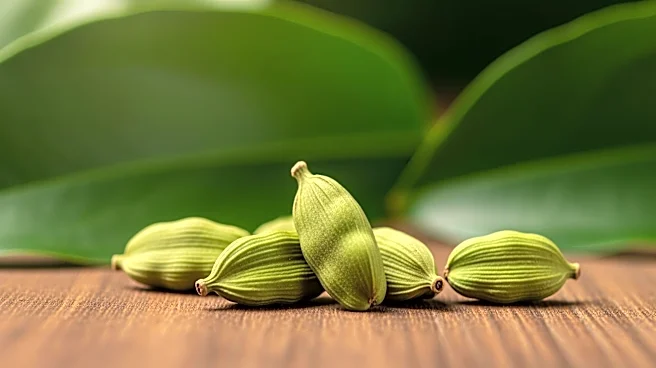

Cardamom, a spice known for its aromatic seeds, is cultivated primarily in tropical regions. The cultivation and production of cardamom involve intricate processes that have been refined over centuries.
This article delves into the methods of cardamom cultivation, the regions where it is grown, and the global production landscape.
Cultivation Practices
Cardamom is cultivated on private properties or government-leased lands, often in forested areas where the wild or acclimatized plants naturally occur. The cultivation process begins with clearing plots of land, cutting brushwood, and removing weeds to prepare the soil. Cardamom plants typically take two years to mature, reaching a height of about 30 cm in the first year and up to 120 cm by the third year.
The plants are raised from seeds or by dividing the rhizomes. The flowering season occurs from April to May, with the pods ripening by October. Harvesting involves breaking off the shoots bearing the fruit clusters and drying the pods in the sun for several days. In regions with rainy weather, artificial drying methods are employed, although these can affect the color of the pods.
Global Production
India, Indonesia, and Guatemala are the leading producers of cardamom, accounting for a significant portion of the global supply. In India, the states of Kerala, Sikkim, and Karnataka are major producers, with Kerala being the most productive. The cultivation in these regions is labor-intensive, requiring year-round maintenance and careful management of ecological conditions.
Guatemala, which cultivates Elettaria cardamomum, surpassed India in production in the late 20th century. The country's Alta Verapaz Department is a key production area, contributing to Guatemala's status as a major exporter. The introduction of cardamom to Guatemala by German planters before World War I laid the foundation for its current production capabilities.
Challenges and Opportunities
The cardamom industry faces several challenges, including climate variability, deforestation, and the need for regular replantation. Despite these challenges, the demand for cardamom remains strong, driven by its use in culinary and medicinal applications. The spice's high value and global demand present opportunities for producers to innovate and improve cultivation practices.
As the third most expensive spice in the world, cardamom's production and trade are influenced by price fluctuations and international demand. The Middle East is a significant market, with countries like Saudi Arabia and Kuwait being major importers. The spice's enduring popularity ensures that cardamom cultivation will continue to be an important agricultural activity in the regions where it is grown.