





Rocks are more than just the solid masses we see scattered across landscapes; they are the building blocks of our planet, formed through complex geological processes. Understanding rocks involves delving into their formation, classification, and transformation, which are crucial to the study of geology. This article explores the fascinating world of rocks, highlighting their significance in Earth's structure and the dynamic processes that shape them.
Formation and Classification
Rocks are naturally occurring solid masses composed of minerals or mineraloid matter. They form the Earth's outer solid layer, known as the crust, and most of its interior, excluding the liquid outer core and pockets of magma. The formation of rocks is categorized by the minerals included, their chemical composition, and the processes involved. Geologists classify rocks into three main types: igneous, sedimentary, and metamorphic.
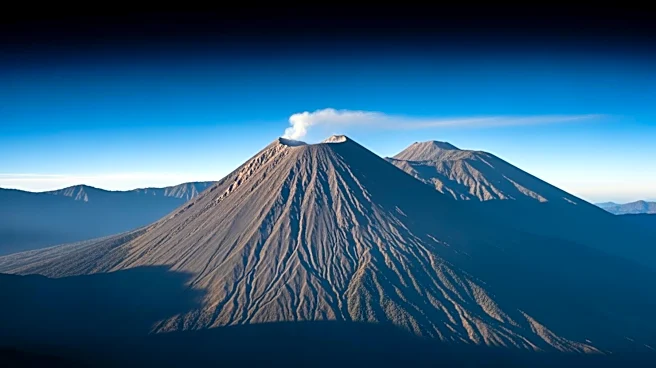
Igneous rocks originate from the cooling and solidification of magma or lava. This process can occur beneath the Earth's surface, forming plutonic rocks like granite, or on the surface, creating volcanic rocks such as basalt. Sedimentary rocks, on the other hand, result from the accumulation and cementation of mineral and organic particles. These rocks often contain fossils and are typically deposited in layers, known as strata.
The Rock Cycle
The rock cycle is a geological model that describes the transformation of rocks from one type to another over time. This cycle is driven by various processes, including weathering, erosion, and tectonic activity. For instance, igneous rocks can be broken down into sediments through weathering and erosion, eventually forming sedimentary rocks. These sedimentary rocks can then be subjected to heat and pressure, transforming into metamorphic rocks.
Metamorphic rocks are formed when existing rocks undergo significant changes in temperature and pressure, altering their mineral composition and structure. This process, known as metamorphism, can occur due to tectonic movements or the intrusion of magma. The rock cycle illustrates the dynamic nature of Earth's geology, where rocks are continuously recycled and transformed.
Human Interaction and Use
Throughout history, humans have utilized rocks for various purposes, from tool-making in the Stone Age to modern construction. The mining of rocks for minerals and metals has been a significant factor in human advancement. Today, rocks are not only extracted for their mineral content but also for their aesthetic and structural properties in architecture.
Modern technology has expanded the use of rocks, leading to the development of synthetic materials like concrete, which mimic natural rock properties. The study of rocks continues to be a vital aspect of geology, providing insights into Earth's history and the processes that shape our planet.