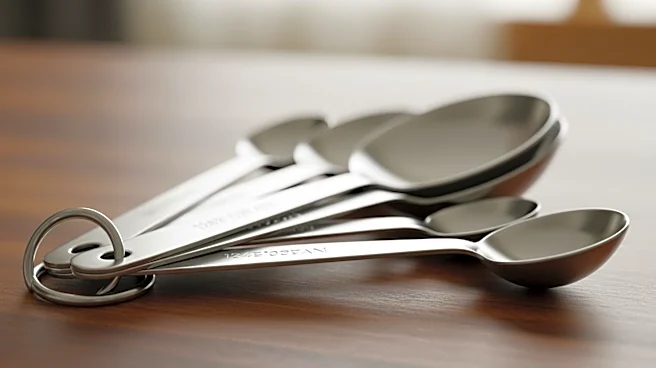





Measuring spoons are essential tools in the kitchen, used to ensure precise measurements of both liquid and dry ingredients. These spoons are crucial for achieving the desired taste and texture in recipes, especially in baking where accuracy is key. In the U.S., measuring spoons typically come in sets that include 1/4 teaspoon, 1/2 teaspoon, 1 teaspoon, and 1 tablespoon. Understanding the role of these tools can help both amateur and professional
cooks create consistent and delicious dishes.
Importance of Accurate Measurements
Accurate measurements are vital in cooking, particularly in baking, where the balance of ingredients can significantly affect the outcome. Measuring spoons provide a standardized way to measure small quantities of ingredients, ensuring that recipes turn out as intended. For instance, using too much or too little baking powder can alter the texture and rise of baked goods. By using measuring spoons, cooks can follow recipes with precision, leading to more reliable results.
In addition to baking, measuring spoons are useful in cooking savory dishes. Spices and seasonings often require precise measurements to achieve the right flavor balance. A dish can easily become too salty or too bland if the measurements are off. Measuring spoons help maintain consistency, allowing cooks to replicate their favorite recipes with the same great taste every time.
Variations in Measuring Spoons
While measuring spoons are standardized in many countries, there are variations in their sizes and sets. In the U.S., a traditional teaspoon measures 4.9 ml, and a tablespoon measures 14.8 ml. These measurements are slightly less than the standard metric sizes, where a teaspoon is 5 ml and a tablespoon is 15 ml. This difference is important to note, especially when using international recipes, as it can affect the final outcome of a dish.
In Japan, measuring spoons are typically available in two sizes: a large spoon (15 ml) and a small spoon (5 ml). This simplicity reflects the common use of these measurements in Japanese cooking. Understanding these variations can help cooks adapt recipes from different cultures, ensuring that they achieve the intended flavors and textures.
Specialized Measuring Spoons
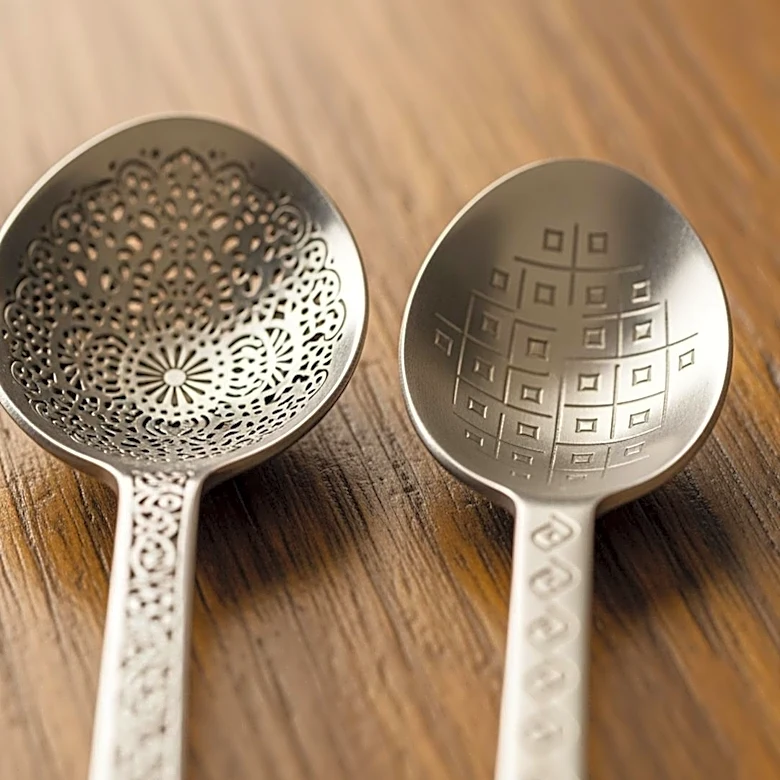
Beyond the standard sets, there are specialized measuring spoons designed for specific tasks. For example, coffee measuring spoons are often used to measure the precise amount of coffee grounds needed for brewing. These spoons typically hold 7 grams of coffee, which is the standard amount for making an espresso.
Specialized measuring spoons can also be found for other ingredients, such as spices or baking powders, where precision is crucial. These tools help ensure that the right amount of an ingredient is used, preventing waste and ensuring the best possible results. By using the appropriate measuring spoons, cooks can enhance their culinary skills and create dishes that are both delicious and consistent.