







Breathing is a fundamental process that sustains life by enabling the exchange of gases between the body and the environment. This rhythmic act of inhaling and exhaling is crucial for removing carbon dioxide and taking in oxygen, which is essential for cellular respiration. Understanding the mechanics of breathing involves exploring the structures and processes that facilitate this vital function.
The Role of the Diaphragm and Intercostal Muscles
The diaphragm plays a central role in breathing. It
is a dome-shaped muscle located at the base of the thoracic cavity. During inhalation, the diaphragm contracts and flattens, increasing the volume of the thoracic cavity and creating a vacuum that draws air into the lungs. This process is aided by the intercostal muscles, which lift the ribs and expand the chest cavity further.
Exhalation, on the other hand, is largely passive. As the diaphragm and intercostal muscles relax, the elastic recoil of the lungs and chest wall returns the thoracic cavity to its resting position, expelling air from the lungs. During forceful breathing, such as during exercise, additional muscles, including the abdominal muscles, contract to push the diaphragm upward, enhancing the expulsion of air.
Air Passage and Gas Exchange
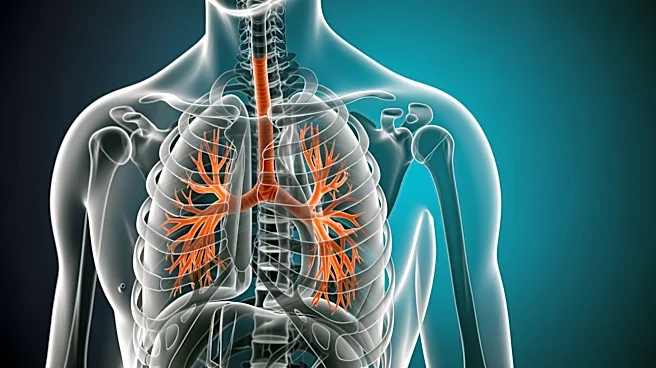
Air enters the body through the nose or mouth and travels down the trachea, branching into the bronchi and further into smaller bronchioles within the lungs. This network of airways ensures that air reaches the alveoli, tiny sacs where gas exchange occurs. The alveoli are surrounded by capillaries, allowing oxygen to diffuse into the blood and carbon dioxide to be expelled from the bloodstream.
The efficiency of gas exchange is maintained by the thin respiratory membrane, which facilitates the diffusion of gases. The composition of alveolar air remains relatively constant, ensuring that the blood equilibrates with a steady supply of oxygen and carbon dioxide. This process is crucial for maintaining the body's pH balance and overall homeostasis.
Regulation of Breathing
Breathing is primarily controlled by the respiratory centers in the brainstem, which receive input from chemoreceptors sensitive to changes in blood gas levels. These centers adjust the rate and depth of breathing to maintain optimal levels of oxygen and carbon dioxide in the blood.
While breathing is largely automatic, it can be consciously modified for activities such as speaking, singing, or swimming. Techniques like meditation and yoga often incorporate specific breathing methods to promote relaxation and enhance physical and mental well-being. Understanding the mechanics of breathing not only highlights the complexity of this vital process but also underscores its importance in maintaining life.