


WrestleMania, WWE's flagship event, has evolved significantly since its inception in 1985. As the longest-running professional wrestling event in history, WrestleMania has become a cultural icon, drawing fans from around the world to witness the spectacle of sports entertainment. This article traces the historical development of WrestleMania, highlighting key milestones and changes leading up to WrestleMania 34, held on April 8, 2018, in New Orleans.
The Birth of WrestleMania
WrestleMania was first held in 1985, marking WWE's entry into the world of pay-per-view events. The inaugural event was a groundbreaking moment for professional wrestling, as it brought together celebrities, athletes, and fans in a celebration of sports entertainment. WrestleMania quickly became known as the Super Bowl of wrestling, setting the stage for future events that would continue to push the boundaries of the industry.
Over the years, WrestleMania grew in scale and popularity, becoming a global phenomenon that attracted fans from all corners of the world. The event's success was driven by its ability to combine athleticism with storytelling, creating a unique experience that resonated with audiences. WrestleMania's evolution was marked by its expansion into larger venues, increased production values, and the inclusion of international talent.
Key Milestones in WrestleMania History
As WrestleMania evolved, several key milestones shaped its development and cemented its status as a cultural icon. WrestleMania III, held in 1987, was a pivotal moment in the event's history, featuring the iconic match between Hulk Hogan and Andre the Giant. This match drew a record-breaking attendance, solidifying WrestleMania's reputation as a must-see spectacle.
The introduction of the WWE Network in 2014 marked another significant milestone, as it allowed fans to access WrestleMania and other WWE events via livestreaming. This shift in distribution expanded WrestleMania's reach, making it accessible to a global audience and further enhancing its cultural impact. WrestleMania 30, held in 2014, was the first to be available on the WWE Network, showcasing the event's adaptability to changing media landscapes.
WrestleMania 34: A Modern Spectacle
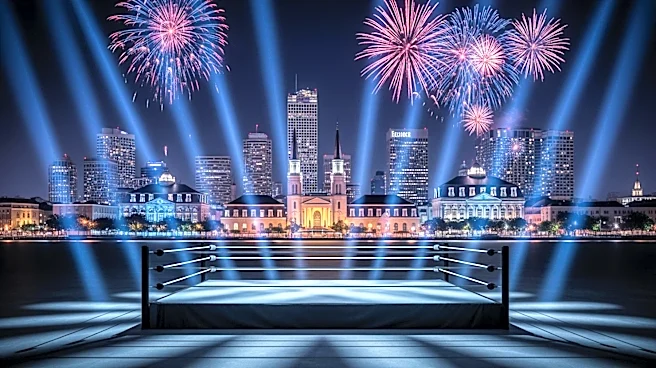
WrestleMania 34, held at the Mercedes-Benz Superdome in New Orleans, represented the culmination of decades of evolution and growth. The event featured wrestlers from WWE's Raw, SmackDown, and 205 Live brands, highlighting the diversity and inclusivity that had become hallmarks of WrestleMania. With 14 matches on the card, WrestleMania 34 showcased the athleticism and storytelling that defined the event's legacy.
The success of WrestleMania 34 demonstrated the enduring appeal of WWE's flagship event, as it continued to captivate audiences with its blend of drama, athleticism, and spectacle. As WrestleMania moves forward, it remains a cultural institution that celebrates the artistry and excitement of professional wrestling, inspiring fans and wrestlers alike to embrace the magic of sports entertainment.