



Great Sand Dunes National Park and Preserve is not just home to the tallest sand dunes in North America; it also encompasses a wide array of ecosystems that contribute to its ecological richness. From alpine tundra to wetlands, each ecosystem within the park plays a vital role in supporting diverse plant and animal life. This article delves into the unique characteristics of these ecosystems and their significance within the park.
The Dune Field and Sand Sheet
The most iconic feature
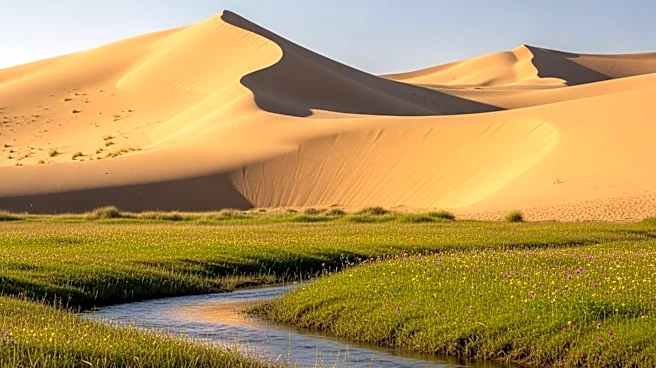
of the park is the dune field, which covers an area of about 78 square kilometers. These dunes are formed from sand that has been carried by winds from the San Luis Valley and deposited at the base of the Sangre de Cristo Range. The dune field is a dynamic environment, with sand constantly shifting due to wind patterns.
Adjacent to the dune field is the sand sheet, which is the largest component of the dune system. It contains about 90% of the park's sand and supports a variety of plant species adapted to sandy conditions. The sand sheet is crucial for the stability of the dune field, as it acts as a reservoir of sand that replenishes the dunes over time.
Mountainous Ecosystems
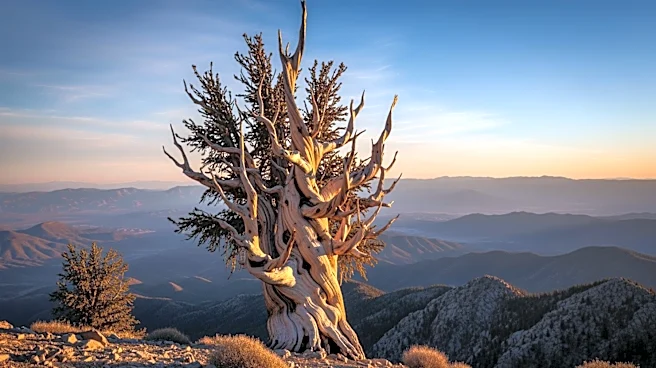
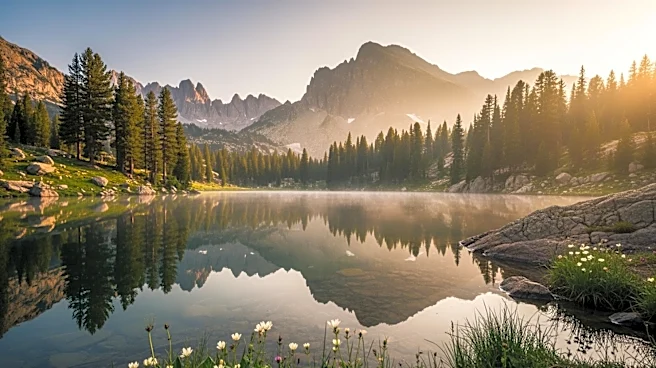
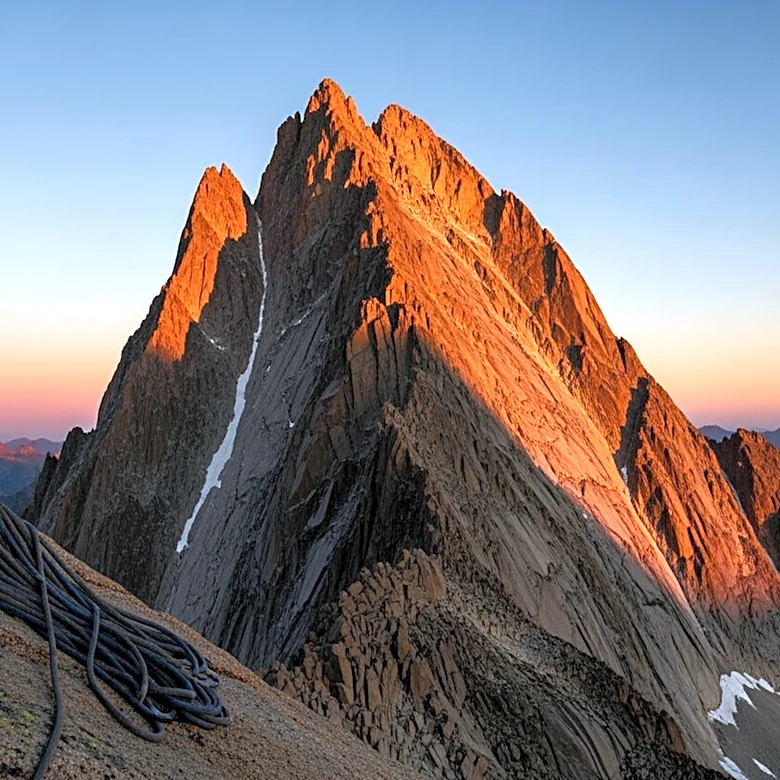
Beyond the dunes, the park extends into the Sangre de Cristo Range, where elevations reach up to 4,146 meters at Tijeras Peak. This mountainous region is home to several ecosystems, including alpine tundra, subalpine forests, and montane woodlands. The alpine tundra, found at the highest elevations, is characterized by harsh conditions that limit tree growth but support a variety of wildflowers and hardy animals like pikas and marmots.
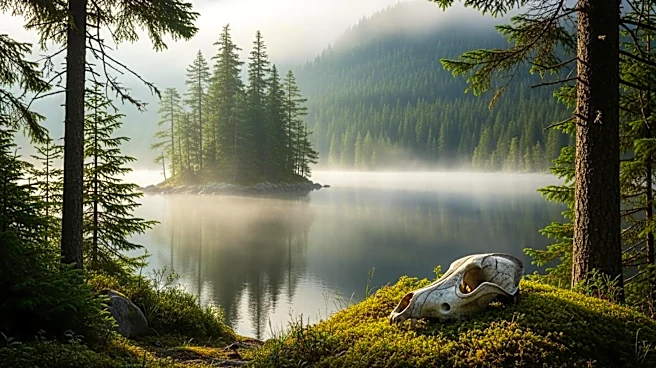
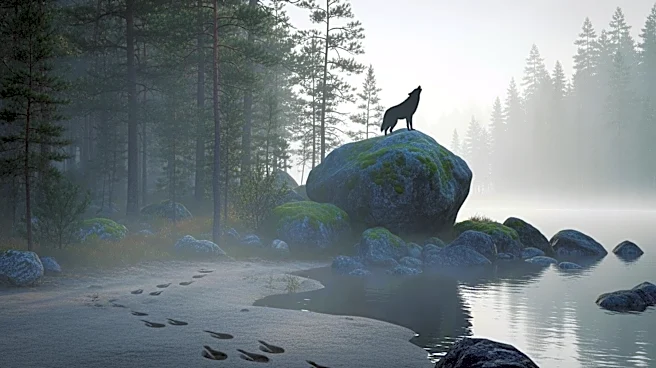
Subalpine forests, located just below the tundra, are rich in biodiversity. These forests capture heavy snowfall in winter and provide habitat for species such as black bears, cougars, and elk. The montane woodlands, found at lower elevations, are dominated by pinyon pine and juniper trees, offering a different set of ecological niches.
Wetlands and Riparian Zones
The park also features important wetland areas, particularly in the sabkha region where groundwater rises to the surface. These wetlands are vital for species such as sandhill cranes and amphibians, providing breeding grounds and feeding habitats. The riparian zones along creeks like Medano Creek support lush vegetation, including cottonwoods and willows, which in turn provide habitat for a variety of bird species.
The diverse ecosystems of Great Sand Dunes National Park and Preserve are a testament to the complexity and resilience of nature. Each ecosystem, from the shifting sands of the dunes to the lush wetlands, contributes to the park's overall ecological health. By understanding and appreciating these ecosystems, visitors can gain a deeper appreciation for the natural world and the importance of conservation efforts.