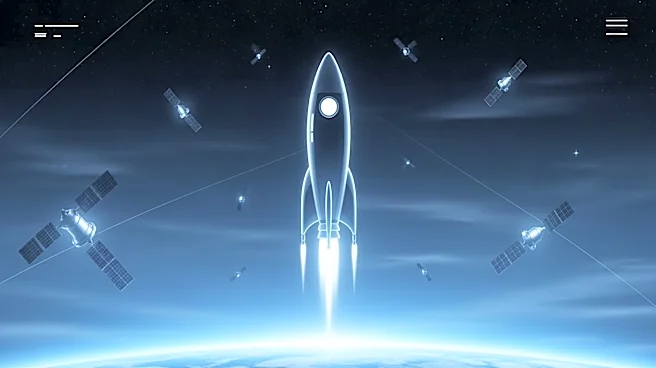





SpaceX Dragon 1 played a pivotal role in transforming the landscape of commercial spaceflight. As the first commercially built and operated spacecraft to be recovered from orbit, Dragon 1 set new standards for private sector involvement in space exploration. This article delves into the impact of Dragon 1 on commercial spaceflight and its collaboration with NASA.
Breaking New Ground in Commercial Spaceflight
The development of Dragon 1 was a significant milestone in the history of commercial spaceflight.
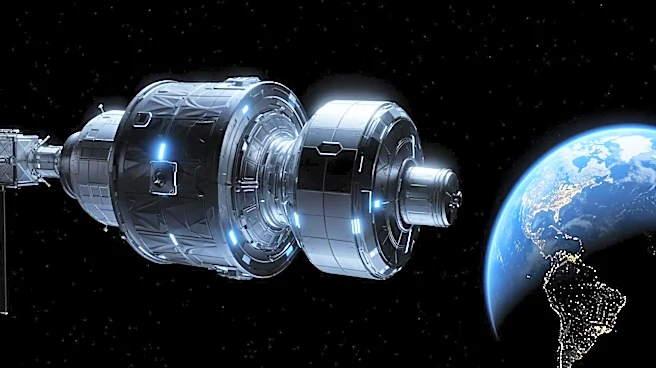
SpaceX, founded by Elon Musk, aimed to create a spacecraft that could deliver cargo to the International Space Station (ISS) efficiently and cost-effectively. The Dragon 1 program was part of NASA's Commercial Orbital Transportation Services (COTS) initiative, which sought to engage private companies in resupplying the ISS.
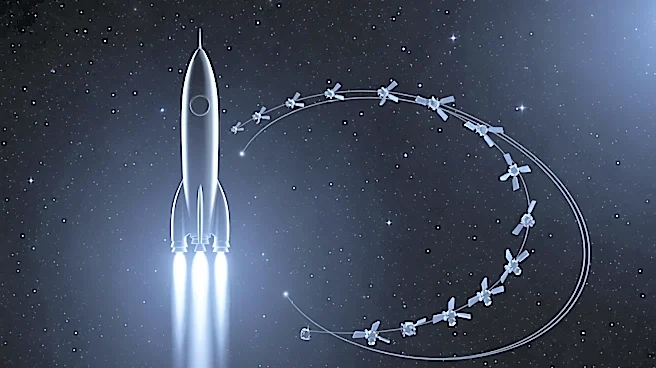
Dragon 1's maiden flight in December 2010 marked the first time a commercial spacecraft was successfully recovered from orbit. This achievement demonstrated the viability of private sector involvement in space missions, paving the way for future collaborations between NASA and commercial entities. By May 2012, Dragon 1 became the first commercial spacecraft to rendezvous with and attach to the ISS, further solidifying SpaceX's role in the space industry.
Collaboration with NASA
SpaceX's partnership with NASA was crucial to the success of Dragon 1. In 2006, SpaceX won a contract to use Dragon for commercial resupply services to the ISS. This collaboration was part of NASA's strategy to increase partnerships with domestic commercial aviation and aeronautics industries. The Commercial Resupply Services (CRS) program allowed SpaceX to conduct regular cargo flights to the ISS, beginning in October 2012.
NASA's support extended beyond financial backing. As part of the CRS contract, SpaceX analyzed the orbital radiation environment on all Dragon systems, ensuring the spacecraft's resilience to spurious radiation events. This analysis, along with Dragon's fault-tolerant computer architecture, was reviewed by independent experts before receiving NASA's approval for cargo flights.
Legacy and Future Prospects
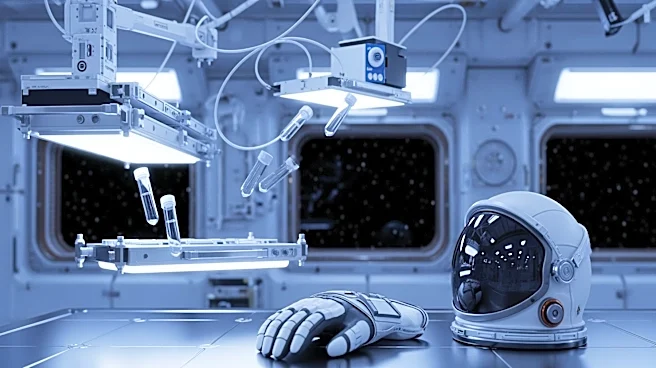
Dragon 1's success laid the groundwork for future commercial spaceflight endeavors. The spacecraft's ability to return significant amounts of cargo to Earth opened new possibilities for scientific research and experimentation. Its reusability demonstrated the potential for cost-effective space missions, influencing the design of subsequent spacecraft.
The transition to Dragon 2, which features both crewed and cargo versions, represents the next step in SpaceX's journey. Dragon 2 offers fully automated docking capabilities with the ISS, showcasing advancements in technology and design. As SpaceX continues to innovate, the legacy of Dragon 1 remains a testament to the transformative power of commercial spaceflight.