

Infusion is a versatile technique that plays a crucial role in both culinary arts and herbal medicine. By extracting flavors and active compounds from plant materials, infusion allows for the creation of a wide range of products, from flavorful teas to potent herbal remedies. This article delves into the applications of infusion in these two fields, highlighting its significance and impact.
Infusion in the Culinary World
In the culinary world, infusion is a fundamental technique
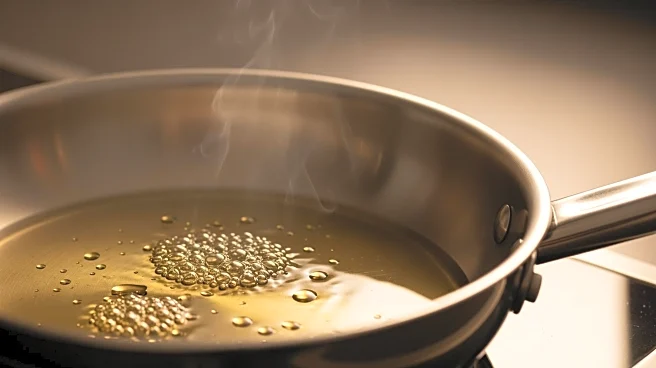
used to enhance flavors and create unique dishes. Chefs and home cooks alike use infusion to make flavored oils, vinegars, and spirits. By steeping herbs, spices, or fruits in a liquid, they can impart complex flavors that elevate their culinary creations.
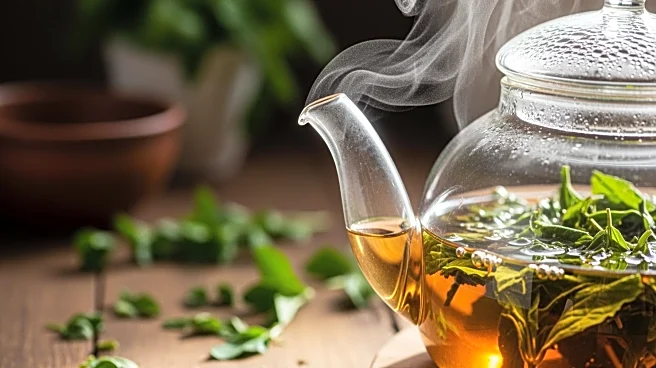
Tea making is perhaps the most well-known application of infusion in the culinary arts. The process involves steeping tea leaves in hot water to extract their flavors and aromas. The duration of steeping can vary depending on the type of tea and the desired strength of the brew. Infusion is also used in the creation of liqueurs, where fruits or herbs are steeped in alcohol for extended periods to develop rich, layered flavors.
Infusion in Herbal Medicine
Infusion has a long history in herbal medicine, where it is used to extract the therapeutic properties of plants. By steeping botanicals in water, oil, or alcohol, practitioners can create potent herbal remedies that are used to treat a variety of ailments. This method allows for the gentle extraction of active compounds, preserving their efficacy and potency.
Herbal infusions are often consumed as teas, providing a convenient and effective way to deliver the benefits of medicinal plants. The choice of solvent and steeping time are carefully considered to ensure that the desired compounds are extracted. Infusion is also used in the production of tinctures and essential oils, which are concentrated forms of herbal medicine.
The Continued Relevance of Infusion
The technique of infusion remains relevant today, with its applications extending beyond traditional practices. In the culinary world, infusion continues to inspire creativity and innovation, allowing chefs to experiment with new flavors and combinations. In herbal medicine, infusion provides a natural and effective way to harness the healing power of plants.
As we continue to explore the potential of infusion, its role in both culinary and medicinal practices is likely to expand. Whether it's creating a delicious dish or a healing remedy, infusion offers a versatile and valuable tool for enhancing our lives.