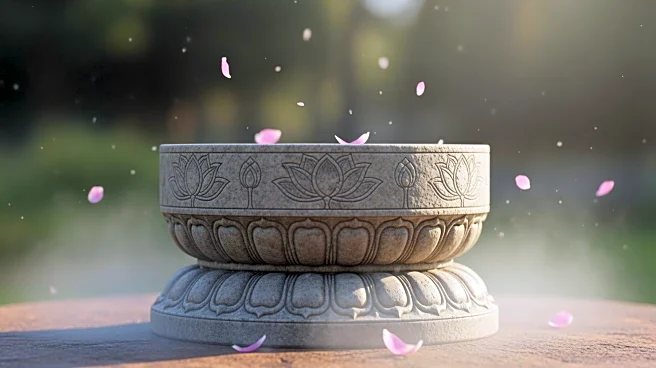




The lotus position, known as Padmasana in Sanskrit, is a cross-legged sitting meditation pose that has been a significant part of spiritual practices in ancient India. This position is not only a staple in yoga but also holds a revered place in Hindu, Tantra, Jain, and Buddhist traditions. Its historical roots and cultural significance make it a fascinating subject for exploration.
Ancient Origins and Cultural Significance
The lotus position is one of the oldest asanas in yoga, predating even
hatha yoga. It is described in ancient texts such as the 8th-century Patanjalayogashastravivarana. The pose is emblematic of meditation and spiritual growth, symbolizing the journey towards enlightenment. In Asian cultures, the lotus flower, from which the pose derives its name, is a symbol of purity and spiritual awakening, as it rises from the mud to bloom above the water.
The pose's significance is further highlighted by its depiction on ancient artifacts. For instance, coins from the reign of Chandragupta II, who ruled from around 380 to 415 CE, feature figures seated in the lotus position on a lotus flower. This imagery underscores the pose's deep-rooted connection to spiritual and cultural practices in ancient India.
The Lotus Position in Religious Traditions
The lotus position is not only a physical posture but also a spiritual symbol in various religious traditions. In Hinduism, it is associated with Shiva, the meditating ascetic god. In Buddhism, Gautama Buddha is often depicted in this pose, symbolizing his enlightenment and teachings. Similarly, in Jainism, the Tirthankaras, or spiritual teachers, are frequently shown seated in the lotus position, emphasizing its importance in meditation and spiritual discipline.
The pose's spiritual significance is also evident in tantric texts, such as the Nisvasattvasamhita Nayasutra, which instructs meditators to sit in the lotus position to enhance their spiritual practices. The 15th-century Hatha Yoga Pradipika even claims that the pose can destroy all diseases and lead to liberation when practiced with proper breath control.
The Lotus Position in Modern Culture
In modern times, the lotus position has transcended its religious origins to become a symbol of healthy living and well-being in Western culture. It is often used in advertising to convey messages of peace, balance, and mindfulness. The pose's association with meditation and yoga has made it a popular image in promoting products related to health and wellness.
Despite its widespread use, the lotus position remains a challenging pose for many, requiring open hips and flexibility. However, its enduring presence in both ancient and modern contexts highlights its timeless appeal and significance as a symbol of spiritual and physical harmony.