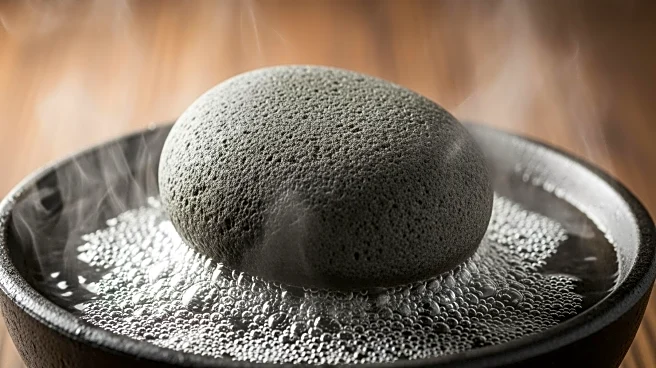




Stone boiling is a cooking method that has been used by various cultures across the globe. This technique involves heating stones and using them to cook food in water-filled containers. While it may seem primitive, stone boiling has played a significant role in the culinary practices of many regions, including Oceania and Mesoamerica. This article explores the use of stone boiling in different cultures and its global impact.
Stone Boiling in North America
In North America, stone
boiling was widely used by indigenous peoples, particularly on the West and Northwest Coast. The method allowed for controlled cooking temperatures, facilitating the extraction of fats and oils from food. Archaeological evidence suggests that stone boiling was first used in the Northern Plains around 4800 years ago, with its prominence increasing between 250 C.E. and 1750 C.E.
The choice of cooking containers varied depending on the resources available. Above-ground containers included bark baskets and pottery, while below-ground pits lined with bison hides were used in areas like Alberta, Canada. The adaptability of stone boiling made it a valuable technique for indigenous peoples across North America.
Stone Boiling in Oceania
In Oceania, stone boiling was a common cooking method among Polynesian cultures, including Hawaiians, Samoans, Tahitians, and the Māori. The technique was used not only for cooking but also for processing natural dyes, showcasing its versatility.
Polynesians utilized various open containers for stone boiling, such as wooden troughs and calabash vessels. The method was ideal for their tree and root crops, making the established pottery culture of their Lapita ancestors obsolete. The lack of pottery also made stone boiling a main cooking method in the region.
Stone Boiling in Mesoamerica
Stone boiling was also prevalent in Mesoamerica, where it played a crucial role in traditional cooking practices. The method was used to produce nut oil, bone grease, and cook vegetable and meat stews. Despite being fuel-intensive, stone boiling helped alleviate the pressures of increasing populations by extracting more nutrients from existing food sources.
The use of stone boiling in Mesoamerica highlights the ingenuity and resourcefulness of the cultures that developed this technique. By examining its global impact, we gain a deeper understanding of the cultural significance and adaptability of stone boiling as a cooking method.