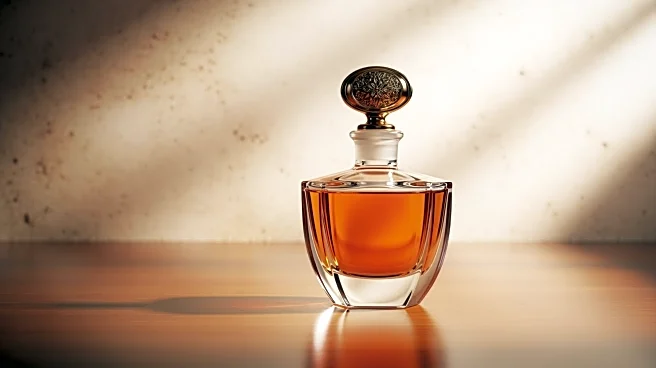




Eau de toilette, a lightly scented perfume, has a rich history that spans centuries. Originally known as "grooming water," it has evolved from its early formulations to become a staple in modern perfumery. This article delves into the historical journey of eau de toilette, highlighting its transformation from ancient aromatic waters to the contemporary product we know today.
Early Beginnings
The origins of eau de toilette can be traced back to the fourteenth century
with the creation of Hungary Water. This alcohol-based perfume was reportedly made by a Hungarian man for Queen Elisabeth of Hungary. It contained rosemary, which allowed the scent to evaporate slowly on the skin. This early formulation laid the groundwork for future developments in perfumery.
In the seventeenth century, King Louis XIV of France used a concoction known as "heavenly water" to perfume his shirts. This mixture included aloewood, musk, orange flower, rose water, and other spices. Such formulations were considered restorative skin toners with supposed medical benefits, reflecting the belief in the healing properties of aromatic waters.
Transition to Modern Perfumery
As perfumery evolved, eau de toilette became less concentrated than traditional perfumes, known as eau de parfum, and more concentrated than colognes. The concentration of aromatic compounds in eau de toilette typically ranges from 5-15%, making it a versatile choice for everyday use.
The term "toilet water" was sometimes used to describe eau de toilette due to its application after bathing or shaving. This practice highlights the product's role in personal grooming and hygiene, a tradition that continues to this day.
During the nineteenth century, eau de toilette gained popularity as a refreshing and affordable alternative to more potent perfumes. Its lighter scent made it suitable for daily wear, appealing to a broader audience.
Contemporary Usage and Varieties
Today, eau de toilette is a staple in the fragrance industry, available in a wide range of scents and formulations. It is often applied directly to the skin, providing a subtle yet lasting aroma. The high alcohol content helps disperse the fragrance, making it ideal for those seeking a lighter scent.
Modern eau de toilette is not limited to citrus oils and fragrances, allowing for a diverse array of scents. From floral to woody notes, the variety available caters to different preferences and occasions.
Eau de toilette's evolution from ancient aromatic waters to a modern grooming essential reflects the changing landscape of perfumery. Its enduring popularity is a testament to its versatility and appeal, making it a timeless choice for fragrance enthusiasts worldwide.