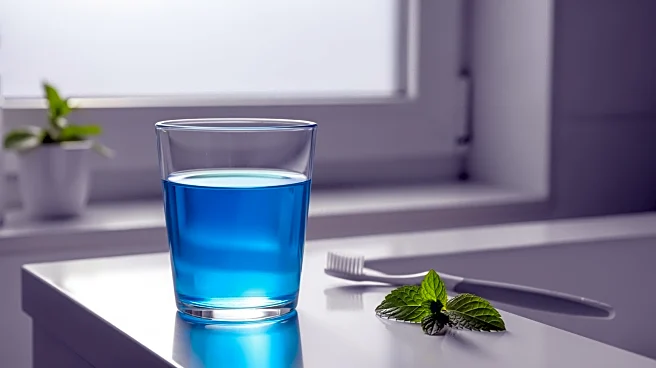




Mouthwash is a common addition to many people's oral hygiene routines, but its role and effectiveness can vary. While it is often marketed as a solution for bad breath and plaque, mouthwash does not replace the fundamental practices of brushing and flossing. Understanding the benefits and limitations of mouthwash can help individuals make informed decisions about their oral care.
Benefits of Mouthwash
Mouthwash is primarily used for its antiseptic properties, which help
reduce the microbial load in the mouth. This can be beneficial in controlling bad breath and preventing oral conditions like gingivitis. Some mouthwashes also contain fluoride, which can aid in the prevention of cavities by strengthening tooth enamel. Additionally, mouthwash can provide a pleasant taste and fresh feeling, which many users find appealing.
Beyond its antiseptic qualities, mouthwash can serve as a saliva substitute for individuals suffering from xerostomia, or dry mouth. This helps neutralize acids and maintain moisture in the mouth, which is crucial for oral health. Cosmetic mouthwashes are also available, offering temporary relief from bad breath without addressing underlying oral health issues.
Limitations of Mouthwash
Despite its benefits, mouthwash is not a substitute for brushing and flossing. The American Dental Association emphasizes that regular brushing and proper flossing are essential for maintaining oral health. Mouthwash can be a useful adjunct, but it should not be relied upon as the sole method of oral hygiene.
Using mouthwash immediately after brushing can reduce the availability of fluoride from toothpaste, potentially diminishing its anti-cavity effects. Therefore, it is recommended to use mouthwash at a different time of day to maximize the benefits of fluoride toothpaste.
Safety and Recommendations
While mouthwash can be beneficial, it is important to use it safely. Some mouthwashes contain high levels of alcohol, which can be harmful if ingested, particularly by children. Alcohol-free options are available and may be preferable for those concerned about alcohol content.
Mouthwash should be used as directed, typically by swishing or gargling for about 30 seconds before spitting it out. Drinking water immediately after using mouthwash is generally discouraged to allow the active ingredients to work effectively.
In conclusion, mouthwash can be a valuable part of an oral hygiene routine when used correctly. However, it should complement, not replace, brushing and flossing. Understanding its benefits and limitations can help individuals maintain optimal oral health.