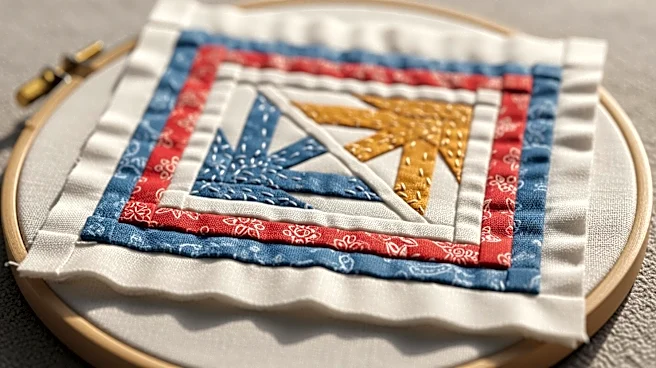



Quilting is a beloved craft that has been practiced for generations, and appliqué plays a crucial role in this tradition. By attaching smaller pieces of fabric to a larger piece, quilters can create intricate patterns and scenes that add depth and character to their work. Appliqué is a versatile technique that has been used in various quilt styles, from traditional American designs to those from other cultures around the world.
Traditional Quilt Designs
Appliqué is a staple
in many traditional quilt designs, such as the "Dresden Plate" and "Sunbonnet Sue." These American quilt blocks combine patchwork and appliqué to create visually striking patterns. The technique allows quilters to incorporate contrasting colors and textures, enhancing the overall aesthetic of the quilt.
Baltimore album quilts, Broderie perse, Hawaiian quilts, and Amish quilts are other examples of traditional quilts that utilize appliqué. Each style has its unique characteristics, but they all share a common appreciation for the decorative potential of appliqué. These quilts often feature intricate designs that showcase the skill and creativity of the quilter.
Global Influence
Appliqué is not limited to American quilting traditions; it is also prevalent in quilts from other cultures. Egyptian Khayamiya, tivaevae from the Cook Islands, and the ralli quilts of India and Pakistan all incorporate appliqué into their designs. These quilts reflect the diverse cultural influences and artistic expressions found in different regions.
In Benin, West Africa, appliquéd cloth is an important art form, particularly around Abomey. The technique has been a tradition since the 18th century, highlighting its enduring significance in the region. Appliqué allows quilters to tell stories and convey cultural heritage through their work, making it a powerful tool for artistic expression.
Modern Quilting Techniques
With the advent of modern technology, appliqué has become more accessible to quilters. Electronic sewing machines can quickly stitch appliqué designs by following a programmed pattern, allowing for precise and consistent results. This innovation has opened up new possibilities for quilters, enabling them to experiment with complex designs and materials.
Appliqué lace, a variation of the technique, involves attaching lace motifs to fabrics, adding a delicate touch to quilts. This form of appliqué is often used in wedding quilts, showcasing its versatility and elegance.
Appliqué continues to be a vital component of quilting, celebrated for its ability to transform simple fabrics into intricate works of art. Whether used in traditional or modern designs, appliqué remains a cherished technique that enriches the quilting experience.