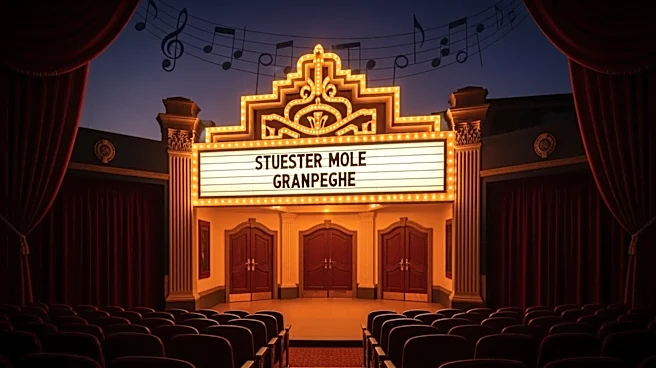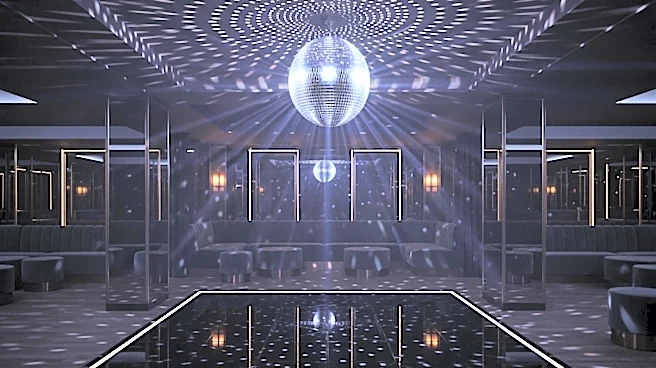







Studio 54 was renowned for its unique atmosphere, which combined theatrical design with a vibrant nightlife experience. Located in a former theater in Midtown Manhattan, the club's founders, Steve Rubell and Ian Schrager, transformed the space into a disco haven that captivated guests from its opening in 1977. This article explores the design elements and atmosphere that made Studio 54 a standout venue.
The Theatrical Design
Studio 54 was originally the Gallo Opera House,
designed by Eugene De Rosa. Rubell and Schrager retained many of the theater's original features, incorporating them into the nightclub's design. The club's interior was characterized by its dramatic lighting and elaborate decorations, which created an immersive experience for guests.
The dance floor was the centerpiece of Studio 54, featuring a sophisticated lighting system that included flashing lights and special effects like confetti and fog. The ceiling boasted a cyclorama that projected images of galaxies, adding to the club's otherworldly atmosphere. The club's iconic moon and spoon decoration became a symbol of its whimsical design.
The Atmosphere of Freedom and Escapism
Studio 54 was known for its atmosphere of freedom and escapism. Guests were transported into a fantasy world where they could dance and socialize without inhibition. The club's selective admission policy ensured that those who entered were part of an exclusive crowd, adding to the allure of the experience.
The club's atmosphere was further enhanced by its thematic party spectacles, which included elaborate decorations and performances. These events were designed to captivate guests and create a sense of wonder and excitement. The club's reputation for open sexual activity and drug use contributed to its image as a place of hedonistic excess.
The Legacy of Studio 54's Atmosphere
The unique atmosphere of Studio 54 left a lasting impact on the nightclub industry. Its emphasis on theatrical design and immersive experiences set a precedent for future venues. The club's influence can be seen in modern nightlife, where exclusivity and spectacle remain key elements.
Studio 54's atmosphere also contributed to its cultural legacy, symbolizing the freedoms and excesses of the disco era. The club's design and ambiance continue to be celebrated in films, documentaries, and exhibitions, highlighting its role as a cultural icon.
In summary, Studio 54's unique atmosphere was a key factor in its success and enduring legacy. The club's theatrical design and emphasis on freedom and escapism created an unforgettable experience for guests, making it a standout venue in the history of nightlife.