

Crumple zones have become an integral part of modern vehicle design, playing a crucial role in enhancing safety during collisions. This article examines the role of crumple zones in contemporary vehicle design, highlighting their integration with other safety features to provide comprehensive protection for occupants. As automotive technology advances, crumple zones continue to evolve, ensuring that vehicles are safer than ever before.
Integration with Other Safety Features
Modern vehicles
are equipped with a range of safety features designed to protect occupants during collisions, and crumple zones are a key component of this system. By absorbing impact energy, crumple zones work in conjunction with seat belts and airbags to reduce the risk of injury.
Seat belts restrain passengers, preventing them from being thrown forward during a collision. They are designed to stretch slightly, increasing the time over which deceleration occurs and reducing the peak force experienced by occupants. Airbags provide a cushioning effect, further minimizing the impact force and protecting passengers from injury.
Design Innovations and Material Use
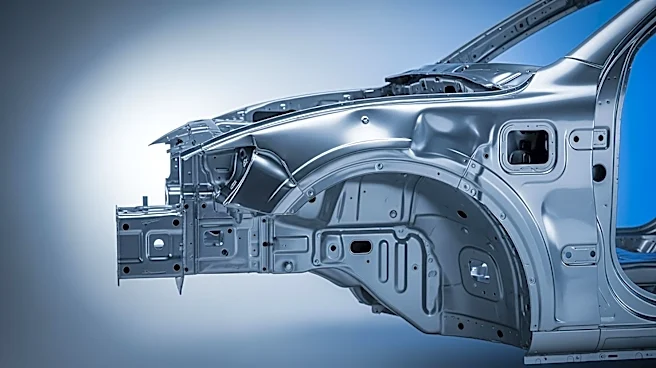
The design of crumple zones has evolved significantly over the years, with manufacturers continually seeking ways to improve their effectiveness. Modern crumple zones utilize advanced materials such as aluminum, composite/carbon fiber honeycomb, and energy-absorbing foam to form impact attenuators. These materials are chosen for their ability to dissipate crash energy efficiently while maintaining a lightweight structure.
Crumple zones are strategically placed at the front and rear of vehicles, where they can absorb the impact of collisions most effectively. The use of curved longitudinal members and telescoping "crash can" structures allows for controlled deformation, preventing intrusion into the passenger cabin and enhancing occupant protection.
The Impact on Vehicle Safety Standards
The implementation of crumple zones has had a significant impact on vehicle safety standards worldwide. Studies have shown that vehicles equipped with crumple zones provide superior protection in collisions compared to older models without such features. This has led to the widespread adoption of crumple zones in vehicle design, with manufacturers continually seeking ways to improve their effectiveness.
Crumple zones have also influenced the design of other safety features, such as side impact protection systems and reinforced passenger cabins. As technology continues to advance, crumple zones remain a vital component of vehicle design, ensuring that occupants are better protected in the event of an accident.
In conclusion, crumple zones are a key component of modern vehicle design, playing a crucial role in enhancing safety during collisions. By integrating with other safety features, crumple zones provide comprehensive protection for occupants, ensuring that vehicles are safer than ever before.