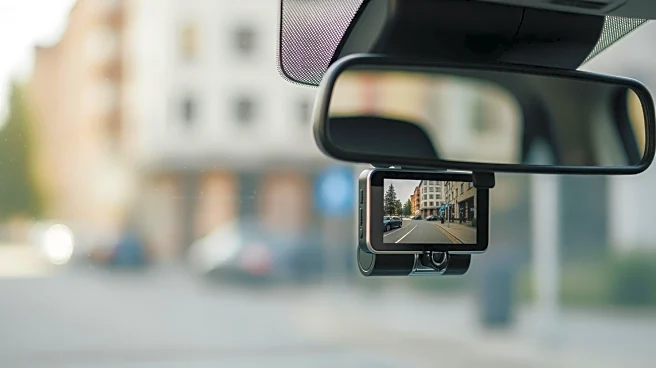




Dashcams have not only become a staple in vehicle safety but have also emerged as a cultural phenomenon, capturing everything from mundane commutes to extraordinary events. Their widespread use has sparked discussions about privacy and legality, making them a topic of interest beyond the automotive industry. This article delves into the cultural impact of dashcams and the legal considerations surrounding their use.
The Cultural Impact of Dashcams
Dashcams have gained significant
cultural traction, particularly in countries like Russia, where they are used to combat police corruption and insurance fraud. The prevalence of dashcams in Russia has led to a surge in online videos capturing everything from bizarre road incidents to natural phenomena, such as the Chelyabinsk meteor. These videos have become a form of entertainment and a window into the unexpected moments of everyday life.
In the United States, dashcams are becoming increasingly popular, with around 16% of drivers reportedly using them. The footage captured by these devices often finds its way onto social media platforms, where it is shared and discussed by millions. This has contributed to a growing awareness of road safety issues and has sparked debates about driver behavior and accountability.
Legal Considerations and Privacy Concerns
While dashcams offer numerous benefits, their use raises important legal and privacy concerns. In many countries, the legality of dashcams is a complex issue, with laws varying significantly from one jurisdiction to another. Some regions have embraced dashcams as a tool for enhancing road safety, while others have raised concerns about privacy and data protection.
In the United States, the use of dashcams is generally legal, but there are restrictions on how the footage can be used, particularly when it comes to recording audio. Privacy advocates argue that dashcams can infringe on individuals' rights by capturing footage without their consent, leading to potential misuse of the recorded data. As a result, some jurisdictions have implemented regulations to address these concerns, balancing the benefits of dashcams with the need to protect individual privacy.
The Future of Dashcams
As dashcams continue to evolve, their role in society is likely to expand. Advances in technology, such as the integration of artificial intelligence and real-time data analysis, could enhance their functionality and broaden their applications. However, these developments will also necessitate ongoing discussions about the ethical and legal implications of dashcam use.
In conclusion, dashcams have become more than just a tool for recording road incidents; they are a cultural phenomenon that has sparked important conversations about privacy and legality. As their popularity continues to grow, it is essential to navigate the complex legal landscape and address the privacy concerns associated with their use.